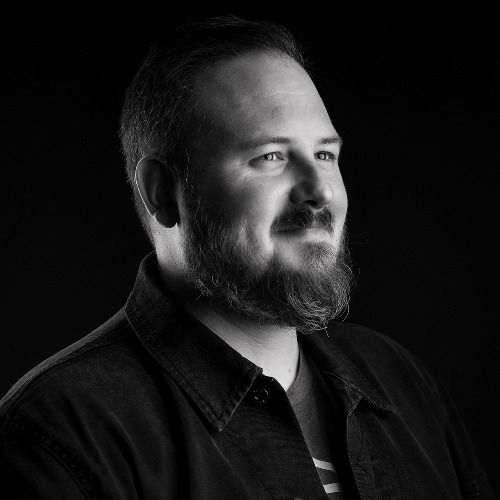
Common Thread - Episode 9, Part 1 (Al Brown)
In part one of a two part episode, Rory and Greg interview Al Brown, from the Los Angeles based band Dangers. In addition to being the vocalist in a hardcore band, Al is a college professor, writer, small business owner, soccer coach, and fitness trainer; a true Renaissance Man who the physical and intellectual aspects of punk rock into a program of person growth.
Al discusses his introduction to hardcore punk through bands like as Nirvana and Offspring, the important relationship he shares with his family, and the music and lyrics of Dangers.
We spend considerable time talking education, from Al's experience growing up in hometown of punk legends Pennywise and Black Flag, to attending colleges on both coasts, his first job working in education as a one-on-one aid for special needs kids, to his role as a professor, writer, and amateur photographer. Al expounds the relationship between education and punk rock and those things are more similar than they might seem on the surface.
Our co-hosts also ask Al about how he grew his small business, Gate 14, from a group of friends and fitness enthusiasts into a viable gym. Rory and Al share their insights as small business owners who manage change and keep their respective business endeavors viable in a rapidly changing cultural landscape.
Al is a fascinating individual and this interview is sure to grab your attention. Don't miss it!
Mentioned in this episode:
Lunchador Podcast Network
Check out all the shows on the Lunchador Podcast Network at Lunchador.org
Mind of Magnus
Check out Mind of Magnus at magnusapollo.com, and leave him factoids at 585-310-2473! https://mind-of-magnus.captivate.fm
Joe Bean Roasters
Use promo code Lunchador for 15% off your order! https://shop.joebeanroasters.com
Transcript
As we get started into this, welcome to the podcast, Al.
Speaker A:For those that don't know Al, he obviously, he's a professor.
Speaker A:And with that journey, you also opened a fitness gym called Gate 14.
Speaker A:You put out a photography book, you put out records.
Speaker A:You're a writer.
Speaker A:Um, yeah.
Speaker A:You're just a, you know, just still a punk rock kid, having a roommate in the general LA area.
Speaker B:Yeah, yeah.
Speaker B:When I list off the list of duties that my days generally require, people get super perplexed.
Speaker B:So it's like professor owning the gym, still making music with the band, trying to also write, also photography.
Speaker B:Also finally, after 17 years of taking over head coach of our high school soccer team.
Speaker A:So amazing.
Speaker B:I, I, it doesn't make sense to other people.
Speaker B:Maybe this talk will make it make sense to me.
Speaker B:But yeah, is all of a part to me.
Speaker B:It all makes sense in this brain.
Speaker B:So maybe I'll try to explain how that all works to y'.
Speaker B:All.
Speaker A:Yeah, the connections point.
Speaker A:My question to you would be like, to start it all off, is the education aspect.
Speaker A:What made you want to just go into English and then continue that journey?
Speaker B:I didn't at all.
Speaker B:When I was a senior in high school, I loved music, as I think all of us did here, and kind of saw my.
Speaker B:I just wanted to go play music and record music.
Speaker B:And I didn't see it as necessarily career in the sense of, like, I'm gonna have a ma.
Speaker B:I didn't have, like, the expectation of, like, I'm gonna be Rick Rubin.
Speaker B:But, like, I also we my age growing up.
Speaker B:Like, I started playing guitar when I heard Nirvana when I was 11.
Speaker B:And if you have that success story of some guy who, like, didn't even mean to do something right, and then all that weird time zone in the early 90s where it's like Offspring Green Day.
Speaker B:At the same time, I'm getting into Dead Kennedy's Black Flag.
Speaker B:And it kind of like, for me was a strange mix of things.
Speaker B:Pennywise went to my high school, as did Black Flag.
Speaker B:So I had kind of two, like, you know, bookended kind of experiences there where you're like, well, I don't know, I could probably make music work somehow.
Speaker B:I remember back at that time, there was a place called Stall Number Two that was like a, like, recording studio in Hermosa that was trying to, like, be what Spot was.
Speaker B:And he was recording stuff basically.
Speaker B:And I was like, I could probably do that.
Speaker B:So I went to my, my mom and dad.
Speaker B:And the agreement, when my parents got divorced, the agreement was my dad was Going to pay for college.
Speaker B:And so he didn't pay child support, but he was like, all right, I'll pay for college when he's getting ready to go to college.
Speaker B:And I was like, hey, can I just take that money that was going to be undergraduate and we buy some recording gear and maybe we can rent a little studio and I can start recording people.
Speaker B:And my dad just laughed at me.
Speaker B:I was like, you're going to college.
Speaker B:And I was like, okay.
Speaker B:And then he had a, you know, I had a high school relationship that was like tumultuous and then like fell in love and didn't.
Speaker B:And I was like, very depressed.
Speaker B:I was like, I'm not going to college.
Speaker B:And then it was fine again.
Speaker B:I was like, okay, I'll go to college now.
Speaker B:Anyhow, that all turned into me.
Speaker B:My dad had a fist fight with my face at some point and that was kind of our like, come to Jesus moment.
Speaker B:And I was like, fine, I'll apply.
Speaker B:And then when I applied, I got into a bunch of schools and I had always loved school.
Speaker B:It wasn't something I didn't like.
Speaker B:I just thought like, well, I don't really need that.
Speaker B:I can still do all this other stuff on my own and learn and read books, but like, I want to do music, but got into some really great schools.
Speaker B:And then when we took the tour, I remember they start the tour at Princeton at Einstein's classroom.
Speaker B:And if you go in as an 18 year old kid who is very curious and they're like, this is where Einstein taught.
Speaker B:I kind of went, oh, okay, like, cool.
Speaker B:And I got enamored a little bit with the idea of education and then immediately found the creative writing department when I was at Princeton.
Speaker B:And, you know, Joyce Carol Oates was the head of the department, Edmund White was there, James Lassen was there, and Jonathan Saffron Foyer had been in the program a couple years before.
Speaker B:So then like, you start to mix this idea of like, well, maybe, maybe, you know, and if I was going to go to school, it was only going to be to study books or art.
Speaker B:Like, those are the only.
Speaker B:I also like microbiology, but like, that was just more of a hobby.
Speaker B:So.
Speaker B:Yeah, then to your point, I'm a completist as well.
Speaker B:So the same way that we might collect records and be like, well, I need to own everything of that band.
Speaker B:I remember sitting in Shakespeare my freshman year of college and really loving the class and realizing I was like, I have to get a PhD now.
Speaker B:And I just knew that that was going to be the trajectory that I was going to take.
Speaker B:Otherwise, why even do it?
Speaker B:You know, like, I'm an extremist and a completist, basically to the, to the bone.
Speaker B:So that's kind of where the education thing, like, started to occur for me.
Speaker B:And then, you know, graduated Princeton, immediately went to Columbia for an mfa, which I'm still paying for, will pay for for the rest of my life.
Speaker B:I'm not sure if that was a good idea or bad idea.
Speaker B:Moved back here for family, to be an uncle to my nieces, and then realized I was working, actually I was working for special ed as a special ed kind of instructor at a elementary school for a while, for four years.
Speaker B:And I was like, all right, well, maybe I'll go into education reform.
Speaker B:That could be something.
Speaker B:And I remember sitting down one day after, like, one of the kids had a tantrum and had like, punched me in the face.
Speaker B:And I was like, I miss books.
Speaker B:And I realized, like, I have to go.
Speaker B:I have to go do the PhD.
Speaker B:So got into this hybrid program at USC that, which is great.
Speaker B:Learned under Percival Everett and Amy Bender.
Speaker B:And it was both a creative and critical program.
Speaker B:So I had to do two dissertations.
Speaker B:It took eight years.
Speaker B:It was super intense thinking, like, okay, yeah, I can see myself again as being a professor and kind of that as the main money making route of things.
Speaker B:And the punk rock person in me is like, it's very difficult for me to make money from things that aren't something I created.
Speaker B:I can't work for other people very well.
Speaker B:And while I know I'm employed by like the California State, you know, system, it's my classroom, right.
Speaker B:And I'm getting to set the curriculum and I'm setting the books that we read, etc.
Speaker B:So it feels sort of like every instance of, of my trying to make a gainful living is also still to a certain extent, like a DIY approach to things.
Speaker B:Anyway, so my dad got in a fistfight with my face, and then I ended up getting a PhD.
Speaker B:That's full circle.
Speaker A:And then your client also punched you in the face to.
Speaker B:Yeah, there's a lot of face punching.
Speaker B:Yeah.
Speaker B:Violence as a catalyst for education.
Speaker B:Maybe that's the lesson here, folks.
Speaker C:Well, the kid who punched you in the face is like, definitely cut from the same cloth as my kid.
Speaker C:So thank you.
Speaker C:Thank you for your service.
Speaker C:Yeah, I'm like, first of all, I should preface this by saying, like, I don't know that intellectually I'll be able to keep up with you on this interview.
Speaker C:So I'm sure you can.
Speaker C:No, I'm gonna sound silly and stupid, but here we go.
Speaker C:What I think is interesting is something that Rory's touched upon is education.
Speaker C:And it seems like that's kind of shown up in a variety of facets in your life, like with the gym.
Speaker C:It seems like that is in some ways a form of education.
Speaker C:I mean, I'm sure you have, like, members that just come and go and you don't really know the ins and outs of their life or, like, really teach them anything.
Speaker C:The soccer coaching also, I guess, another form of education.
Speaker C:And I would even say, you know, like, just based on, you know, my experience with listening to Dangers even, that, like, kind of wades into that territory too.
Speaker C:Am I wrong in kind of making that assumption, or is that kind of, you know, the.
Speaker C:The name of the podcast being Common Thread?
Speaker C:Is that the common thread that runs through all of your efforts in life?
Speaker B:Yeah, I think that I haven't seen it that way, but it seems to be that that is the case.
Speaker B:Right?
Speaker B:That I'm.
Speaker B:I'm not interested in.
Speaker B:I'm not interested in being sort of like a brick wall.
Speaker B:I want it to be like a conduit, like a door, like a window that, like, people can continue to pass through because I'm interested in what they're going to do.
Speaker B:I always say whenever I'm teaching that I'm going to also be learning.
Speaker B:If I don't learn anything from my students, from my players, from my clients, then that's a wasted day for me.
Speaker B:Right.
Speaker B:So it's a little bit selfish in that as well.
Speaker B:Like, the.
Speaker B:The.
Speaker B:The practice of teaching for me and my pedagogical approach is always one of investigation and constant curio that I want to make sure that I am offering opportunities for other people to explore their own curiosities, while at the same time, that allows me to sort of circumnavigate my own curiosities.
Speaker B:The way that I've always seen the common thread and the way that I describe it to people is it's communication.
Speaker B:So whatever verb we end up doing in our life like, that we spend doing over and over again.
Speaker B:I tell a lot of my students or some of my players when they're like, well, I don't know what I should do, blah, blah, blah, like, what job should I take?
Speaker B:I'm like, don't.
Speaker B:Don't worry about a job title.
Speaker B:Worry about the verbs.
Speaker B:What verbs are you going to be doing?
Speaker B:Is it, you know, reply all emails all the time?
Speaker B:Like, I'M emailing all day.
Speaker B:Do you want to email all day?
Speaker B:There's a lot of jobs where you get to go email all day.
Speaker B:Do you, do you want to speak?
Speaker B:There's jobs where you will have to speak.
Speaker B:Do you want to be, you know, not speak to anybody at all?
Speaker B:There's jobs where we can do that as well.
Speaker B:What I started to recognize that the common thread for me is I'm incredibly interested in language as sort of writ large, like a large category of language, whether it be visual, auditory, spoken, written, physical, right.
Speaker B:So when I'm training my trainers, a lot of the times I have to teach them sort of the different cues that you can give.
Speaker B:It doesn't have to just be like verbal, right.
Speaker B:You can just be like, oh, shoulders down or whatever.
Speaker B:We might be, right.
Speaker B:So to me I've recognized that I don't want to feel like I have wasted minutes in my life.
Speaker B:And I feel like when I am practicing communication, engaged with communication, thinking about communication, I just don't feel like I'm wasting my time.
Speaker B:That's just an internal sort of feeling so that, you know, if I'm reading a book, that's me studying some sort of like how, how do we communicate in written language?
Speaker B:If I'm trying to write a book, that's me trying to figure out on my own how to do that, right?
Speaker B:If I'm writing a song, how do we communicate an idea in two and a half to three minutes in this sort of art form that we've accepted?
Speaker B:If I have a long form lecture, how do I keep my students engaged?
Speaker B:What's the way in which this idea best moves there?
Speaker B:And I think that that comes from, to be quite honest, it came from those four years of teaching special ed where I taught.
Speaker B:I was a one on one aide for highly, sorry, nonverbal, sometimes high functioning, sometimes non autism spectrum kids.
Speaker B:Second to sixth grade basically and watching even a binary use of language, what that does for someone.
Speaker B:Yes.
Speaker B:Learning the difference between yes and no for some of my kids.
Speaker B:Do you need to go to the bathroom?
Speaker B:No.
Speaker B:Are you hungry?
Speaker B:Yes.
Speaker B:Like that's like a complete life changing moment for some of the kids that I would have.
Speaker B:And I started to recognize, you know, I taught, you know, one of the better things I think I've done in my life.
Speaker B:I taught like maybe eight or nine of those kids how to read and giving them access to visual language.
Speaker B:And they weren't like they had no language, but they were non verbal, but they could read still and they could sort of point to things that would help us understand what they were saying.
Speaker B:And I started recognizing that communication is the common thread, is the.
Speaker B:I call it the basic unit of society.
Speaker B:I tell some of my students to practice.
Speaker B:I say, you know, if I'm teaching my creative writing course, I go, all right, your homework for today is to spend the entire day.
Speaker B:Don't speak to anybody.
Speaker B:Don't text anybody, don't look at anybody.
Speaker B:Be completely in your own body and head the entire day and tell me how you feel by the end of that day.
Speaker B:And it's usually claustrophobic, right?
Speaker B:And.
Speaker B:And it's.
Speaker B:There's a natural human need to make those sort of sociological connections, and we do that through language.
Speaker B:So for me, I guess the community, the teaching is a result of really wanting to figure out how to communicate, if that makes sense.
Speaker C:It makes perfect sense to me because I've, you know, I work in a field that's adjacent to education.
Speaker C:I work at a public library.
Speaker C:Um, and.
Speaker C:But just through my own experience going through school, learning things from people in informal settings, not in.
Speaker C:In, like, some kind of school.
Speaker C:The best educators are really good at communicating.
Speaker C:They're able to tailor their, you know, the information that they're trying to impart to you to.
Speaker C:To wherever it is that you are.
Speaker C:You know, they're not using jargon and vocabulary that might not be familiar to you.
Speaker C:They're.
Speaker C:They're not, you know, they're not being too verbose when a concise explanation will work.
Speaker B:It's also about meeting people where they're at.
Speaker B:Like.
Speaker B:Right.
Speaker A:Yeah, absolutely.
Speaker A:Absolutely.
Speaker B:And recognizing that.
Speaker B:What, like, that.
Speaker B:You're reminding me just of, like, how I coach as well.
Speaker B:Which is to say, man, like, you know, our team is very successful.
Speaker B:I don't, like.
Speaker B:Like, a lot of it's sports, and I understand, like, the.
Speaker B:Who are of that, but I'm very proud of, like, what our program has achieved.
Speaker B:And I'm always very conscious of.
Speaker B:I can't.
Speaker B:I have to hold the same expectation.
Speaker B:It's the same thing as, like, a curriculum.
Speaker B:Everyone has to be able to understand this curriculum.
Speaker B:But to me, the worst teachers are the ones that treat everybody as exactly the same.
Speaker B:Right?
Speaker B:The best teachers are the ones that recognize, okay, this person learns this way, this person learns this way.
Speaker B:And I can't always accommodate everybody, but I have to do enough to reach my hand out to each one of those students, each one of my players, one of my players.
Speaker B:It's just talking shit on, right?
Speaker B:Like, you can do better than that.
Speaker B:What the hell?
Speaker B:I Was doing better than that when I was your age.
Speaker B:Right.
Speaker B:And the next player, if I say that to them, they're at home in tears.
Speaker B:With them, it's got to be, you know, encouragement, like, wow, that was really great.
Speaker B:Let's see if you can, like, get a, you know, a better pass next time you're in the field or whatever.
Speaker B:Right.
Speaker B:So recognizing you keep the same level of expectation for everybody.
Speaker B:But I have to tailor my communication style to each individual in order for that goal to be able to be reached.
Speaker B:Or else, you know, you're just teaching to the.
Speaker B:To the 1 or 2% and that's all you end up having, which that doesn't work.
Speaker A:I mean.
Speaker A:I mean, you probably have that same idea when it comes to coaching people at the gym.
Speaker A:And that's how that relates to, you know, my field of work and leading people at, you know, the.
Speaker A:The team I have.
Speaker A:It's like we hire based on the person, right?
Speaker A:Not necessarily the skill set.
Speaker A:And because we can teach you how to make coffee, but you kind of like navigate the person on how to show up for them, how to communicate things.
Speaker A:Are you a visual learner?
Speaker A:Are you a doer?
Speaker A:Like, how do you.
Speaker A:How do you navigate those environments?
Speaker A:And, yeah, so that's.
Speaker A:Those are the fun things.
Speaker A:Like, I. I was the assistant coach for my youngest T ball team, but it was like the same idea.
Speaker A:It's like, okay, all these kids, like, what's our goal here?
Speaker A:You know, let's.
Speaker A:Let's try to get them not to all chase the ball in the field and on each other, like.
Speaker A:But like, how does each person and.
Speaker A:And kiddo, like, hear what you're saying and.
Speaker A:And try to meet them where they're at, you know, like, that's a hundred percent.
Speaker B:Well, and that's also where you.
Speaker B:You like, I think the music side of things, the bands that I gravitated towards, right?
Speaker B:And then I have to look and.
Speaker B:And you do the reverse engineering and be like, well, why did I gravitate towards that band but not that band?
Speaker B:Right?
Speaker B:Like, and you don't do that when you're young.
Speaker B:You're just like reading the liner notes or reading like, you know, reading lyrics or whatever.
Speaker B:But there's a way in which, as you can sort of step back and look at it, people will treat sort of like hardcore punk, whatever, as one.
Speaker B:I don't even now know what the hell it is, but they treat it as like one art form, right?
Speaker B:Where with.
Speaker B:And they.
Speaker B:They'll usually divvy it up aesthetically.
Speaker B:You know, being like, well, this is a beat down band.
Speaker B:This is a youth crew band, whatever.
Speaker B:And like, that's an easy way to do it.
Speaker B:And I, My like, taste of music was pretty vast and wide.
Speaker B:And I came to realize much later was like the people who I gravitated towards were like songs that were being written almost like Paul Simon writes a song.
Speaker B:I love Paul Simon's songs because they're telling me a little bit of a story.
Speaker B:And I feel like I've got like a narrative thread that I can follow in.
Speaker B:And then I recognize like, well, why do I like Suicide Files so much?
Speaker B:I'm like, well, because Dave wrote lyrics where like, I'm following an emotional thread that's kind of taking me through it, not just telling me like, you know, freedom.
Speaker B:Freedom is great.
Speaker B:You know, I'm like, I don't know.
Speaker B:That doesn't, that doesn't.
Speaker B:I don't have a place in and in there.
Speaker B:But for other people, that's how they want to be communicated to.
Speaker B:So I, I think there was early on, as we get so invested in an art, like all of us did, right?
Speaker B:Like, there's just strange sort of filtering through of like how we want to be communicated to and what makes sense to us and what doesn't make sense to us.
Speaker B:And then you recognize as you get older that like, well, as a teacher or as a boss, I actually have to be able to be Hate breed, Dead Kennedys and Black Flag.
Speaker B:Just depends on who the hell I'm talking to, right?
Speaker B:I have to be able to put the different costume on for the different person.
Speaker C:One thing, if I may touch upon that is really interesting to me, kind of goes back to your experience working with kids with autism as like a one on one aide and then as an instructor.
Speaker C:And one of the things, my oldest son, who's 8, has autism.
Speaker C:And so I'm like, he's also the one that I joked about would probably be the one to punch you.
Speaker C:But one of the hallmarks of autism is that a lot of times folks with autism have a hard time engaging in theory of mind exercises.
Speaker C:They have a hard time imagining what another person's perspective might be in light of what it is that they know about that person or how another person might feel in response to something that they say or do or don't do.
Speaker C:And I think effective communication, where you're stepping into the role of an educator, you have to be really good at theory of mind.
Speaker C:You have to be able to understand a person's, you know, informational Needs from their perspective, you have to understand why their goals are important to them.
Speaker C:And so it's.
Speaker C:It's really kind of nice that you started your career in education there, because I think a lot of folks who have a high degree of, like, technical information, and I see this from time to time, and people who, like, work in the IT field, like, they're exceptional.
Speaker C:They know exactly what it is that they have to do.
Speaker C:But if they have to explain it to another person, especially someone who doesn't have a background in that same technical field, it's very frustrating to them to the point where it can cause conflict with whoever it is that they're trying to, you know, speak to.
Speaker C:And your point about the lyrics, you know, to different bands, like, for me, that resonates quite a bit because when I'm getting into a new band, I can like the sound.
Speaker C:And don't get me wrong, there's, like, certain styles of hardcore and punk that I like more than others.
Speaker C:But I'll put a band that isn't necessarily something I might listen to up toward the top of my list of favorite bands if their lyrics really resonate with me and reflect some lived experience that I've had.
Speaker C:And I know we've touched upon this in.
Speaker C:In previous episodes with Rory, but there's like.
Speaker C:Like, the band Unbroken was such an important band because they had that toughness in sound and in attitude, but they also had lyrics that were, you know, very emotional and emotionally expressive.
Speaker C:And that's kind of the balance I go for.
Speaker C:Like, I need the.
Speaker C:The strength, you know, I need to, like, fortify myself and reinforce my own sense of self and self confidence through aggressive, tough music.
Speaker C:But I don't just want music that's, like, about, you know, like your typical stabbed in the back song or a typical revenge song.
Speaker C:I mean, I'll enjoy that from time to time, don't get me wrong.
Speaker C:But I want lyrics that are about the weighty issues, the problems that people live with that they're trying to solve but aren't making progress on because that just only enhances it more for me.
Speaker C:So I like that you've kind of had that similar experience, you know, finding bands that you like.
Speaker B:Well, I think, too, what it comes down to is like, the.
Speaker B:The.
Speaker B:The empathy quotient, which is what we are.
Speaker A:Yep.
Speaker B:Just sorely.
Speaker B:I mean, to me, the humanities going by the wayside wall stem, you know, to bring it to the education.
Speaker B:Like, everything is science, technology, you know, math, and like.
Speaker B:Yes.
Speaker B:But you do see a real inability to empathize across the board.
Speaker B:Which is why there's so many more moments of like, you know, high tension, violence just on a.
Speaker B:Every day when you walk around, it just feels like everyone's a little bit more on edge.
Speaker B:And that ability to perspective take comes from engaging with art that puts you in the perspective of other people.
Speaker B:Faulkner did this incredibly, right, where he like forces you to be in Benji's mind who's, you know, a, a mentally limited human being.
Speaker B:And yet you're still seeing his humanity come through as you read and the things that move him emotionally.
Speaker B:And to me, I think that that ability to, to perspective take, right, to allow myself to look at the perspective of somebody else, that is I have to do it or else I get too lost in my own self absorbed thoughts and soloistic.
Speaker B:And I think to me what's interesting about the music that we, that we all sort of like, you know, radiate around is that music is both.
Speaker B:It's a strange.
Speaker B:This is why I wanted to go into it, why you asked about education like I do.
Speaker B:I think books are to me like the hardest, highest art form to like figure out and, and, and make.
Speaker B:Music is the other end of the spectrum, which is, it's, it's so embodied, right?
Speaker B:And especially the music that we gravitated toward, it is a physical thing.
Speaker B:And when people talk about punk or especially like, you know, the attitude of punks that people always talking, you can just watch, you can watch HR from those old videos on mute and see that something here is going on, right?
Speaker B:There's like energy that's being expressed and moved through.
Speaker B:And I think when you can marry it.
Speaker B:Hardcore slash punk is one of the few places where you so eloquently marry brain and body, right?
Speaker B:Where if you have someone who's allowing you in through these lyrics, where like my brain is able to take this like perspective, this empathetic position I'm hearing about how this person has experienced the world and then you flip that back like, you know, and I can.
Speaker B:And then with my body also get that sort of endorphin, hormonal thing that gets put out there at the same time, then it's like a complete experience, right?
Speaker B:And I think that's why when I said like, I don't even know what it is now, like where it feels like much of the time it is purely a physical release for people or it has become some sort of, I don't know, like distraction or like, and maybe that's what we all need right now.
Speaker B:I don't know.
Speaker B:But it seems like that the empathetic side of it or the.
Speaker B:The sort of more cerebral side of it, or trying to even look at lyrics.
Speaker B:Like, I even lament the loss of like the lyric sheet book.
Speaker B:People don't do that anymore.
Speaker B:And all three of us came home at 13 years old, went straight to the speaker, hit play.
Speaker B:I remember listening to Minor Threat for the first time when I was 13, bought the CD, I was at my dad's house.
Speaker B:I wasn't allowed to listen to music very loud there.
Speaker B:So I had it.
Speaker B:I had a little stereo and I'm like, ear.
Speaker B:Literally up to the speakers reading these lyrics along and I'm like, holy shit.
Speaker B:Like this guy's screaming.
Speaker B:And I knew about them already.
Speaker B:Like, when they record this, he was like only a couple years older than me, and the connection between, like, the way he was feeling, the way it sounded he was feeling, and the magic can happen there.
Speaker B:I'm like, what were you supposed to do?
Speaker B:Have that on a scroll, like the lyric scroll on Spotify and like scroll down while you're driving.
Speaker B:I literally, the other day I was like.
Speaker B:I was listening to this new record by the Armed, and I was like, I wonder if the lyrics are on there yet.
Speaker B:And they weren't on there yet.
Speaker B:I'm like, I don't know if I can even connect to this now.
Speaker B:Like, so I don't know.
Speaker B:I guess that, that.
Speaker B:That juncture of perspective taking, empathy quotient and bodily expression, we're rich in that.
Speaker B:And I don't think a lot of other people who experience other kinds of music recognize that that was it.
Speaker B:And I will even say, and I don't.
Speaker B:I.
Speaker B:You know, when our band was cutting its teeth, there's certain styles or certain bands or certain people who I don't even think give a at all about the lyrics.
Speaker B:And I don't have any connection to those people.
Speaker B:Like, I don't care if our bands sound the same at all.
Speaker B:Like, you're here for a completely different experience than I'm here for.
Speaker B:And that doesn't feel just.
Speaker B:You can put it under the same aesthetic roof, but that's not what's happening for me, right?
Speaker B:I'm.
Speaker B:The communication isn't simply through like this.
Speaker B:It's this thing is, you know, so what's happening in my brain, the mental.
Speaker A:Emotional capacity that then is brought through the body and out to the rooms that we have all joined in, you know, I mean, that's.
Speaker A:That's something that rarely comes through recorded.
Speaker A:And oftentimes you have to see it.
Speaker A:And.
Speaker A:And the cool thing is that folks like us and.
Speaker A:And maybe the folks listening to this can understand that and see that in moments.
Speaker A:And it's not always captured.
Speaker B:It's.
Speaker A:Sometimes it's an ugly mess.
Speaker A:And.
Speaker A:But there's beauty in that too, because when it does come through, it hits so hard and so deeply that we're here in our 40s, still connected to it in some way, still riding for it, still comforted by it in some capacity.
Speaker A:And the values in our hearts and minds and souls that have come through there are still existing in our lives today.
Speaker B:Yeah.
Speaker B:And I think that it is.
Speaker B:What's strange is to be in certain rooms now and to feel the sound matching, but the spirit or the purpose or the reason that other people seem to be there to be completely different.
Speaker B:We just.
Speaker B:The last show we played was this festival.
Speaker B:It was great.
Speaker B:And the people who ran it were great.
Speaker B:It was up in San Francisco.
Speaker B:And most of the bands, I guess, fall under the quote unquote scream.
Speaker B:Dangerous is weird because we fall under so many categories.
Speaker B:I don't even know what people call us, and I don't really care.
Speaker B:But.
Speaker B:So there's a lot of quote unquote screamo bands, I guess, or.
Speaker B:I don't know.
Speaker B:Lord Snow was one of the bands that was playing, and I was like.
Speaker B:I'd never really investigated that a lot.
Speaker B:And I was like, oh, this is cool.
Speaker B:Like, Great City of Caterpillar was like, headlining, right?
Speaker B:I'm like, oh, okay.
Speaker B:And then when we played, there was a bunch of kids who were, like, going crazy.
Speaker B:And, you know, we played a song.
Speaker B:We played Half Brother All Cop, in which I talk about my own personal experiences of like, you know, I have half brother who is lapd, and I use the nword within the song as, like, not.
Speaker B:And, you know, the song's been around for almost 20 years now.
Speaker B:So, like, when we play it, I'm thinking about my own experience of, like, having family members have said that word to and.
Speaker B:Or around me and what that experience is like.
Speaker B:And as I didn't hear what was like, what, how we playing it, and like, someone from the back just yells out, like, you know, this white boy.
Speaker B:Like, you can't play this.
Speaker B:You can't say that.
Speaker B:And I didn't hear that.
Speaker B:I just heard, like, screaming.
Speaker B:I was like, oh, cool.
Speaker B:If you want, you know, come on up next to sing it too.
Speaker B:Or I don't know what I said.
Speaker B:This isn't in between the songs, right?
Speaker B:And after we're done, the the, like, everyone who's running, not everyone, but a bunch of people are running the festival.
Speaker B:Were really upset with me.
Speaker B:Like, you know that you can't say that word.
Speaker B:And you're on stage.
Speaker B:And I was like, what?
Speaker B:And they're like, yeah.
Speaker B:And especially someone of your race did it.
Speaker B:I was like, you don't know anything about me, clearly, and you don't know, like, my background, where I come from at all.
Speaker B:And I'm on a stage, I'm in fact allowed to say anything that I feel like I want to say.
Speaker B:You don't have to like it.
Speaker B:You can hate it.
Speaker B:You don't have to, like, this is an art form that I'm practicing here.
Speaker B:And there's this.
Speaker B:This moment.
Speaker B:It wasn't everybody, but, like, you know, eight people.
Speaker B:I was like, we are here for completely different reasons.
Speaker B:And I went and tried, had a conversation with the, you know, the people that had a problem with that.
Speaker B:I explained, like, oh, I'm half black.
Speaker B:And this is why that word said.
Speaker B:And like, the security guard.
Speaker B:And I had to have a moment.
Speaker B:And like, I just, you know, it's a triggering word.
Speaker B:I'm like, I know.
Speaker B:That's why I'm talking about it on stage, because it's a triggering word.
Speaker B:And it was just interesting because I hadn't felt this way in a while, but I realized what I.
Speaker B:What I get out of this music is what I try to put out, put back into it.
Speaker B:And there's lots of people who I'm surrounded by in some of these rooms who don't want the same thing that I want.
Speaker B:They just don't.
Speaker B:And they're not interested in that sort of curiosity or that, like, I don't know, there's.
Speaker B:There's a psychological questioning that hardcore and punk has offered to me.
Speaker B:And maybe that's the tie in back to the education part.
Speaker B:Like, I think at its fundamental core, if I wonder, like, what hardcore and punk is about, it's about asking questions.
Speaker B:And that's basically the same premise to me of education, right?
Speaker B:Like how, why, when did this happen?
Speaker B:Can we explore it?
Speaker B:All those questions that you get, you know, that's why one comes to a library as well, to get some answers to some things.
Speaker B:So I think maybe recognizing.
Speaker B:I gravitate a little bit more to some of the rooms now it's harder for me to go to shows because I feel more and more that people aren't necessarily interested in asking questions.
Speaker B:They're there for simply for release.
Speaker B:And I got a gym.
Speaker B:I can go get Release any day of the week, you know what I mean?
Speaker B:So that's been a little bit disconcerting for me lately.
Speaker A:I mean, I love that just the levels of thought that can exist and that you can push forward through these moments of discomfort or disconnection, right?
Speaker A:And I think there's always an evolution of hardcore and punk.
Speaker A:It's always been there.
Speaker A:Like, there's been waves of.
Speaker A:I just want to hear.
Speaker A:I'm just here to mosh, bro.
Speaker A:You know, and then there's.
Speaker A:There's, you know, then there's the kickback to, like, I'm not.
Speaker A:It's like this, like, anti Mosh sentiment or whatever.
Speaker A:Like, you know, so you're always going to have this, like, weird dichotomy in space.
Speaker A:But I think what you brought up and I think is very interesting is to ask the questions instead of point the finger, right?
Speaker A:Call in rather than call out all the time.
Speaker A:Like, hey, that's really interesting.
Speaker A:You use that.
Speaker A:Why did you do that?
Speaker A:Rather than like, I can't believe you're doing that, bro.
Speaker A:That's so different.
Speaker A:And I think it goes back to that communication and that wonderment and the interest in someone else's experience and something that we can take outside of the rooms, which I think all of us have done and affect.
Speaker B:Well, what I get, I get really.
Speaker B:I don't know if now that I'm older, I just look at.
Speaker B:I'm a little resentful or confused is probably a better word.
Speaker B:I know that my little reputation within this thing of loud music is like, oh, he's really outspoken and he's really opinionated and.
Speaker B:And, like, I am very opinionated.
Speaker B:That is true.
Speaker B:But if you actually look at, like, I read the other day, my friend John sent me something, and it was like, on some Reddit board where it was like, comparing me and saying, like, how, like, ultra liberal I am.
Speaker B:I'm like, well, if you only knew.
Speaker B:I am like, not.
Speaker B:I'm move even past that.
Speaker B:Like, I'm so far to the left, it's like, not even liberal anymore.
Speaker B:But.
Speaker B:But what's interesting to me is, like, whenever our band plays, I'm very informed by teaching as well.
Speaker B:Which is to say I literally, almost every show I say, like, I hope that you, like, start asking questions of, like, the things.
Speaker B:How do you spend your time?
Speaker B:Who are you going to vote for?
Speaker B:Why are you in the relationship that you are in?
Speaker B:Could you be looking at other books or movies or things that you aren't currently thinking about looking at?
Speaker B:Like, not.
Speaker B:And I There's never once when I've been like, you need to vote for X, Y and Z, or like, you know, it's not endorsement of anything and pushing an idea on someone other than ask the question.
Speaker B:One of my.
Speaker B:One of my favorite lyrics of all time was a very small band called A New Enemy.
Speaker B:Do you remember them from.
Speaker A:I do not.
Speaker B:They're from New Jersey.
Speaker B:Their singer, Tyler.
Speaker B:Tyler Mate went on to be in Spanish Bombs.
Speaker A:And then, okay, I remember that band.
Speaker B:Now he's a tattoo artist.
Speaker B:But the other, they had members of, like, Survivors and then tear it up kind of filtered in and out and around.
Speaker B:And then anyway, when I was on the east coast, like, they were played shows a bunch, and I'd go see this band play, and I was like, you know, they're my age.
Speaker B:I was like, these guys are so cool.
Speaker B:And they have a song on there where the end of it, it just says, like, your mind's the most dangerous thing you have.
Speaker B:And I.
Speaker B:You know, from someone who's literally my exact age saying that in, like, these little rooms in New BRUNSWICK When I'm 18, 19 years old, that to me was the.
Speaker B:The.
Speaker B:The springboard for starting dangers when we started it, where I was like, okay, like, the brain is the most dangerous thing that we actually have.
Speaker B:Not our fists, not our.
Speaker B:Like.
Speaker B:Like, no matter how many reps you do, there's someone who's going to be stronger than you out there.
Speaker B:Right?
Speaker B:So that incessant questioning, like, just, I mean, satiably curious in everything that I do.
Speaker B:And I don't really understand the other way of being, like, a passive.
Speaker B:Just letting things.
Speaker B:I guess there's time to time, like, all of us in a cigar.
Speaker B:Ross too, you know, And I need.
Speaker B:I need to just, like, inhale and exhale.
Speaker B:But that's not the main mode of my life.
Speaker B:The main mode of my life is is that question asking, like, what the are we doing here?
Speaker B:Why are we doing this?
Speaker B:And that's where I felt a lot of comm.
Speaker B:I still do feel a lot of community in that, but it seems to be a trait that is very particular to a certain kind of listener of this music.
Speaker B:And I just always lean to expand that now so that it's not just in the music, but with my soccer boys, like, it's the same thing.
Speaker B:Like, all.
Speaker B:All they'll be like, well, what.
Speaker B:What do you.
Speaker B:How much protein shoving?
Speaker B:I'm like, well, I've been vegan for 18 years, so here's what I do for my dad.
Speaker B:And then you see them go like, wait, what?
Speaker B:You're vegan?
Speaker B:And I'm like, yep.
Speaker B:That's, like, how I do things.
Speaker B:Right.
Speaker B:Or, you know, in the gym, nudging some of my clients to be like, I'm doing ultra run.
Speaker B:I'm doing 100 miles.
Speaker B:You should come do it.
Speaker B:And they're like, a hundred miles.
Speaker B:And that's the same thing, is, like, your mind's the most dangerous thing you have.
Speaker B:Yeah.
Speaker B:It's a physical expression.
Speaker B:But, like, where can I run 100 miles?
Speaker B:Is a question.
Speaker B:The only way to answer that question is to put on the running shoes and to go start running.
Speaker B:And, well, I guess we'll find out if it.
Speaker B:If I can or cannot.
Speaker B:And, like, I don't know.
Speaker B:I think that that spirit from me is what I most took out of the rooms that I was in growing up.
Speaker B:And it's so applicable to every facet of my life that that's, I guess, where I wonder the people who are in it just for release.
Speaker B:Then I wonder, what's happening in the other aspects of your life?
Speaker B:Are you only looking for release in your relationships?
Speaker B:Are you looking for release in your, you know, in your job?
Speaker B:Like, where you just want to turn your brain off and, like, practice severance for a living?
Speaker B:Like, I don't.
Speaker B:And then I realize I probably don't have a strong ability to relate to that kind of person.
Speaker A:Right.
Speaker C:Common Thread is co hosted by Greg Benoit and Rory Van Grohl with creative support from Rob Antonucci.
Speaker C:Follow us on Instagram at commonthreadhxcpodcast.
Speaker C:For news and updates.
Speaker C:Contact us@commonthreadhxcpodcastmail.com Common Thread is a part of the Lunchadore podcast network.
Speaker C:Visit lunchadore.org for more information on other great podcasts.
Speaker B:It.