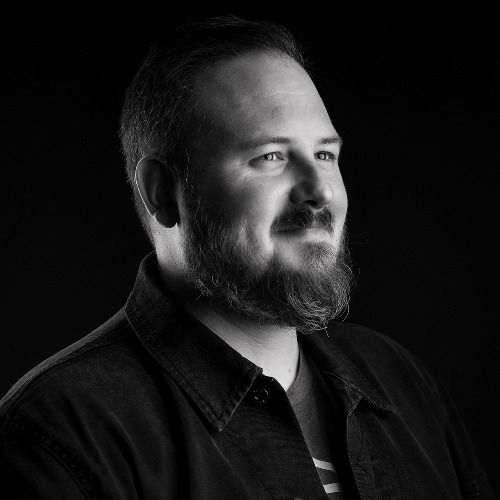
Common Thread - Episode 7, Part 1 (Mike Jeffers)
Episode 7 features a discussion with Mike Jeffers, drummer for Dead to the World, Herod, Juggernaut, GOA, Longest War, and other bands that have been based out of Buffalo NY. Mike also runs the record label Classic Core Records, and also serves a leadership role in the Buffalo Public Schools teachers union.
Mike has been involved with the hardcore punk community for over 30 years, but the focus of our conversation centers on how the values of punk rock have influenced him as an educator, father, and union leader.
In this thoughtful discussion, Mike also expounds on the state of education in Buffalo and America, the present challenges and realities of educating teens in an urban community that faces poverty, crime, and neglect, how social media has changed hardcore for better and worse, and the importance of building a healthy community in the classroom and in the hardcore scene.
Mentioned in this episode:
Behind the Glass
Podcast and gallery focusing on underrepresented artists utilize the space to amplify their work. Curated by @Richardbcolon @qua.jay. Check out the podcast or join them in person first Fridays at 240 E Main St, Rochester, NY! https://behind-the-glass-gallery.captivate.fm
Joe Bean Roasters
Use promo code Lunchador for 15% off your order! https://shop.joebeanroasters.com
Lunchador Podcast Network
Check out all the shows on the Lunchador Podcast Network at Lunchador.org
Transcript
Yeah.
Speaker B:And you right now occupy a role that I think is very interesting to me.
Speaker B:You know, with your just being a teacher in general, this is kind of a critical time for education.
Speaker B:But then, you know, your leadership role in the teachers union obviously put you kind of at the forefront of, you know, a movement to kind of defend and advocate for teachers in public education.
Speaker B:And, you know, that to me is very punk rock in itself.
Speaker B:But I'm interested to hear a little bit more about that.
Speaker B:You know, I know we got into that slightly on the other podcast, but this one, this podcast, Common Thread, I feel like kind of inverts the formula that the other podcast had, which was, you know, it was more the traditional questions, like, hey, what are your influences?
Speaker B:What got you in?
Speaker B:And there's some of that here.
Speaker B:But I'm kind of, and Rory and I are kind of interested in how do you use it?
Speaker B:Like, how are you taking these values and, you know, the fire that you kind of have inside that was stoked by punk rock and hardcore and take it to other parts of your life that aren't necessarily related to music or the community that creates the music.
Speaker C:Sure, sure, Yeah.
Speaker C:I don't know, where do you want to begin then?
Speaker A:I mean, for us, I think like a good starting point is, point is, you know, how we like to lead in is like, how do you, how would you introduce yourself at a high school reunion?
Speaker C:I, I, I skipped the 10 year, went to the 20 year, didn't go to the 30 year.
Speaker C:Ah, man.
Speaker C:I mean, if it was like Romeo and Michelle's high school reunion, you know, maybe I'd say I invented Post its, or if it was mean girls, I'd say my dad invented toaster strudel, but nothing.
Speaker C:Me, I just walk in and it's just everyone's there, you know, and because of social media, I mean, I didn't grow up in Buffalo, you know, I didn't move there until, you know, after I didn't.
Speaker C:I went to college in Buffalo and I stayed after.
Speaker C:But Facebook is great because I could keep in touch with all of my friends that I grew up with and everybody that I've met over the years.
Speaker C:So if you walk into reunion, like, everybody pretty much knows what you're up to.
Speaker C:I, I can't tell you one person that hasn't used social media at one point in time.
Speaker C:And especially with like organizing class reunions, you know, they use Facebook to get a hold of people.
Speaker C:I think, you know, if you looking through like Facebook, I do, you know, like family pictures and Stuff like that.
Speaker C:So my family and friends from high school who have nothing to do with hardcore punk, they could see that side of my life.
Speaker C:And then Instagram is just really just music and, you know, I separate the two.
Speaker C:I, I, I really, you know, I guess if, if I went into a high school reunion, my 40th say, you know, which, which isn't anytime soon.
Speaker C:I, I guess.
Speaker C:And if someone didn't know what I was up to, I would probably just say, you know, I'm, I'm a teacher, I'm a dad.
Speaker C:And you know, I'm sure they'd be like, oh, do you still play drums?
Speaker C:I'd say, yeah, you know, I dabble, you know, but, but I, you know, you don't get in a punk rock to be famous.
Speaker C:You're into it for the community and you're also into it because you don't want to hang out with some of those people you went to high school with.
Speaker C:I, I wanted something that was my own, that wasn't theirs at all.
Speaker C:You know, I like you people, but I don't want to hang out with you.
Speaker C:You know, I'll always be cordial, I'll wish nothing but the best for you.
Speaker C:But, you know, I have a completely separate life outside of, you know, my job and being a dad too, you know, so, yeah, I think I would just be a normal, regular, everyday dad.
Speaker C:You know, that's, that's, you know, honestly my biggest accomplishment in life is having three kids.
Speaker C:And they're, they're all seem to be doing well, you know, they're, they're alive, which is cool.
Speaker C:Pretty good at that, you know.
Speaker C:You know, that's the legacy that I'll leave behind.
Speaker C:In the end, that's actually what's most important.
Speaker C:So I definitely would say, you know, like, you know, I'm a father of three kids and you know, I'm a high school teacher.
Speaker A:That's, I mean, that's important.
Speaker A:You know what I mean?
Speaker A:Leading with like that important aspect of being a parent is so vital, especially when you're already connected with youth every day, not just through your kids, but through your work.
Speaker A:And you know, what, what do you think has been taught to you?
Speaker A:Being a parent from your kids?
Speaker C:From my biological kids or my students?
Speaker A:Your biological kids.
Speaker C:Okay.
Speaker C:Because, you know, when you're a teacher, you always, you always say my kids and my kids.
Speaker C:And you know, people gotta differentiate who I'm talking about.
Speaker C:I don't know, I think my, my own kids, you know, they're 10, 12 and about to be 15.
Speaker C:They're all, they're all girls, so I grew up with three brothers, you know, so having all these girls is very foreign.
Speaker C:There's a lot of hormones, a lot of anger and rage.
Speaker C:But they're much more compassionate than a lot of the boys are.
Speaker C:They feel things a lot more deeply.
Speaker C:And it kind of makes me, I don't know, not try not to be as angry as I normally would.
Speaker C:Sometimes look at something from a different perspective.
Speaker C:I don't know, like, you know, I grew up in the, in the 80s, so like, the movies that I would watch are absolutely horrible.
Speaker C:You know, Revenge of the Nerds and Porkies, movies like that I, I hope my kids never see they did not age well.
Speaker C:No, no, they're absolutely horrific.
Speaker C:And I understand that was the time and that's why I saw them at the time, but man, they're terrible, you know, a horrible example.
Speaker C:And, you know, especially, I guess, because I have girls now, I can see how terrible, you know, the male dominated world is often, you know, at times, if I had sons, who knows, they'd probably be watching Porkies and Revenge of the Nerds now too.
Speaker C:But I have girls, so I don't.
Speaker C:So I think I have a better concept, a grasp on how the world actually works from different perspectives now and, and why, I don't know, you grow up, know, knowing like, this is, it's, it's, it's wrong that the guys put video cameras in the, the sorority house or Revenge of the Nerds, but then you get older, you're like, well, what if that was my daughter that happened to, you know, totally different perspective.
Speaker C:So I would say being a parent has made me definitely a better person for sure.
Speaker C:You know, I don't think anybody, you know, is, is gonna.
Speaker C:Well, no, that's not true.
Speaker C:We have a lot of horrible parents out there.
Speaker C:You know, for me, it definitely was a wake up call that just because boys will be boys, like, that's a bunch of, you know, boys don't always have to be boys.
Speaker C:They can, they can, it could be a little more empathetic, sympathetic, you know, a little more caring.
Speaker C:They could show some emotion.
Speaker C:And I, I think I can only do that because I am the father of three daughters.
Speaker B:I, I, what you're saying resonates a lot with me, even though I have two sons and they're, they're five and eight.
Speaker B:So I'm not quite to the stage where I'm gonna show them porkies quite yet.
Speaker B:But I hear what you're saying about those movies.
Speaker B:Aging so poorly because I think it was like Sixteen Candles we showed.
Speaker B:I work at a library.
Speaker B:Yeah, we, we like, we show movies periodically and, and one time we showed 16 candles, which is terrible.
Speaker B:Yeah, I hadn't seen that in so long.
Speaker B:And there's like a scene where it's basically like the jock is like, tells the nerd or something like, oh, yeah, my girlfriend's drunk.
Speaker B:Yeah, you could do what you want, you know, basically.
Speaker B:And I was like, oh, holy.
Speaker B:Like, yeah, forgot that was in there.
Speaker B:Or like it didn't connect with me the same way or register on my, on my radar.
Speaker B:And yeah, a lot of, A lot, a lot of stuff I love from the 80s ages quite poorly and, and can't be introduced at the same time, you know, the same age to my kids that it was introduced to me at.
Speaker B:But another thing you said too, about like boys, you know, boys being boys, like, I, I, when I, when I was about, you know, my wife was pregnant, we didn't know we were having a boy or a girl.
Speaker B:I was like, oh, please, please, a girl, I want a girl.
Speaker B:Because I had kind of a shitty time being a boy the first time around.
Speaker B:And I was like, well, maybe this will be different.
Speaker B:But I was like that kid that was kind of emotional and I had this like, kind of overly sensitive side and I felt like I had to hide that, you know, growing up in the culture, you know, late 80s, early 90s, you know, I feel like I had to hide that to keep it safe or something.
Speaker B:And I do, like now, you know, my kids, you know, in school, they're both, you know, in like off to real school, not just like a daycare somewhere.
Speaker B:And they do so much at such a young age with like social and emotional well being that was like never talked about at all at any age level.
Speaker B:So I feel like it's not, the world is not safe enough, you know, for my kids.
Speaker B:I can't imagine what it would be like to have girls because it feels more unsafe for girls, but at least it's getting safer than it was in some, some realms.
Speaker C:Yeah, it's still terrifying.
Speaker C: didn't know where I was from: Speaker C:They had no idea where I was, you know, and, and the, that I would do.
Speaker C:I would hope my kids never ever do.
Speaker C:And, but that's the way people parented then you like, you, we knew all the neighbors and neighbors watched out for everybody's kids.
Speaker C:You know, when people say when the, the lights come on, you Got to go home.
Speaker C:That's no joke.
Speaker C:That's.
Speaker C:That's what people did, you know?
Speaker C:Or your mom would call out the front door, she'd scream your name.
Speaker C:You'd hear her from, like, five miles away, and you'd go home.
Speaker C:You know, I. I mean, my kids.
Speaker C:My kids go for a bike ride.
Speaker C:I'm sitting on my, you know, find my iPhone app, watching them progress wherever they're going to, and, you know, because it's terrifying.
Speaker B:We just had a conversation about teaching our kid to ride a bike because he's 8, and our situation's, like, a little different.
Speaker B:He's.
Speaker B:He's got autism, but, like, he's, you know, doesn't need.
Speaker B:Need a ton of supports for some things and other things.
Speaker B:He needs just, like, constant supervision.
Speaker B:But, like, he could definitely ride a bike, but we're like, do we want to teach him how to ride a bike?
Speaker B:He'll just get on that bike and go somewhere without even, like, thinking to tell us that he's, like, leaving the house.
Speaker B:Yeah, but, yeah, different world.
Speaker B:Because I remember, like, when I was in kindergarten, at the end of kindergarten, which is how old my.
Speaker B:My youngest is now, my parents let me ride my bike or walk to school.
Speaker B:I can't remember which one, but I definitely walked, like, three quarters of a mile myself down the street.
Speaker B:You know, we lived on the same street that the school was on, but still, I'm like, no way in hell am I letting my kid walk to school in kindergarten.
Speaker B:Why did they let me do that?
Speaker B:I, like, will probably drive them, you know, to their first job when they're, like, 26 years old.
Speaker B:When they turn 30, they can.
Speaker B:They can go somewhere on their own.
Speaker A:Yeah, I mean.
Speaker C:Yeah, well, I. I mean, until they're 26, they got.
Speaker C:They.
Speaker C:They could be on our health care.
Speaker C:So, you know, yeah, that's a good age for them to finally get a job with their own health insurance.
Speaker B:So I'll use that as leverage then.
Speaker B:Sorry.
Speaker B:The president signed a law not under my roof.
Speaker C:Yeah, it's.
Speaker C:It's.
Speaker C:It's.
Speaker C:Parenting is so, so different now.
Speaker C:And.
Speaker C:And I think my wife and I, since we're both teachers, we.
Speaker C:We know what our students.
Speaker C:Where they live, the neighborhoods they live.
Speaker C:We know what kind of dangers are up against.
Speaker C:And there's a lot of.
Speaker C:There's a lot of kids that go missing in Buffalo.
Speaker C:A lot of teenage girls, specifically.
Speaker C:And, you know, because I worked in an alternative high school, had police in there, you know, I. I know where they keep finding girls.
Speaker C:And, you Know, a lot of these kids are all in gangs.
Speaker C:Their parents are in gangs.
Speaker C:And I just don't want my kids to be anywhere near where I know this stuff is going on.
Speaker C:So I'm like, hyper vigilant.
Speaker C:Where, you know, this stuff went on when we were kids, too.
Speaker C:It just.
Speaker C:There wasn't social media letting you know everything that happened.
Speaker C:Not everything was.
Speaker C:Was on video.
Speaker C:But at the same time, you know, our neighbors knew to watch out for each other.
Speaker C:You know, I know maybe one or two of my neighbors, and I've lived in the same house for five years now.
Speaker C:The rest, I just wave.
Speaker C:They wave, and then they go in their garage and they shut the door and that's it.
Speaker C:You know, my own kids, they're weird.
Speaker C:They'd rather sit inside and text message or.
Speaker C:Or just be on social media with another kid instead of being in the same room as each other.
Speaker C:I'm like, have someone sleep over, you know, like, go to someone's house, do something.
Speaker C:You know, it's.
Speaker C:It's very strange.
Speaker C:I mean, you know, I'd get off the bus and I'd immediately just go out until it was dinner time every day and tell my mom where I was going to tell my dad.
Speaker C:They didn't care anyway.
Speaker C:They knew I'd come back.
Speaker C:You know, they knew I'd be fine.
Speaker C:But now I wouldn't let my kids do that.
Speaker C:Would.
Speaker C:I don't know if they'd come back, if they'd be fine or not.
Speaker B:You know, social media has made me, I think, more connected to people from my past than I would have been before social media.
Speaker B:But it's made me less connected to the people in my immediate vicinity, like my neighborhood, you know, probably, you know, and I make an effort to be connected to the people at school.
Speaker B:School as much as an introvert can, sure.
Speaker B:But I feel like I'm.
Speaker B: as raising kids in, you know,: Speaker B:Yeah, Mike, so you've mentioned you're.
Speaker B:You're a teacher.
Speaker B:What grade do you teach and what subject do you teach?
Speaker C:All right, so I just finished my.
Speaker C:My 25th year of teaching.
Speaker C:So first 10, I taught high school social studies.
Speaker C:Next 10, I taught seventh and eighth grade social studies.
Speaker C:And then the past couple years, I've been back to high school, but I've taught everything from US History to global studies to government to economics to sociology, psychology, street law, social justice, history of the Holocaust, history of Buffalo architecture, all kinds of cool stuff.
Speaker C:And I've been working, even though I've worked for the Buffalo school district for a very long time.
Speaker C:Been like 11 different buildings during my career, because Buffalo is always changing.
Speaker C:There's people moving in, there's people moving out.
Speaker C:Some people move to one side of the city, so they close the school on the other side.
Speaker C:And, you know, you have to move around.
Speaker C:So it's a very difficult district to work in because we're, you know, the third poorest city in America.
Speaker C:You know, tons of gang violence.
Speaker C:That's really not a joke.
Speaker C:But I just try and teach my classes.
Speaker C:I don't know the students that I typically work with, I can't teach them the way like I did when I taught in the suburbs.
Speaker C:There's a different expectation in both places.
Speaker C:So I can't come in, just lecture, and the kids are going to take notes, and that's fine because every kid learns in a different way.
Speaker C:So I kind of do it more with having discussions with my class.
Speaker C:I primarily, you know, teach 10th, 11th, and 12th graders.
Speaker C:So when you're teaching, you know, the Holocaust, you're teaching about social justice, I can have, you know, adult conversations with these kids, even though they're not really adults.
Speaker C:And I don't need to have them take notes on everything.
Speaker C:Just need them to be active participants.
Speaker C:And then, you know, the end of every class, you know, have them write, like, a reflection piece before we leave.
Speaker C:You know, in the suburbs, you know, even with my own kids, it's a lot of the teachers up there just talking, they're taking notes, and that's fine.
Speaker C:You know, I don't know, just seventh and eighth grade, though, that part of my career, those kids need the most help.
Speaker C:And it's.
Speaker C:But it's really.
Speaker C:It's.
Speaker C:It's such a difficult time in a kid's life because, you know, you got kids playing with GI Joes and Barbies and the other kids are doing drugs and, you know, having sex and, you know, trying to tell kids, like, you know, don't be in a rush to grow up.
Speaker C:You got your whole life to get old.
Speaker C:This is.
Speaker C:This is one of the best times in your entire life.
Speaker C:Like, enjoy it.
Speaker C:You know, don't.
Speaker C:Don't be in a rush.
Speaker C:You don't have to worry about impressing anyone.
Speaker C:Most of these people you're trying to impress, you're not even going to talk to them in 10 years, let alone 20 or 30 years.
Speaker C:But it's hard to navigate.
Speaker C:Well, it was harder to navigate before I had kids.
Speaker C:Once you have kids, you develop a whole different level of patience.
Speaker C:So when you understand why kids are acting the way they are, I mean, I gotta be honest, if you want to be a good teacher, all you have to do is just listen.
Speaker C:The kids will tell you what they need.
Speaker C:They'll tell you what they want to hear.
Speaker C:You know, they inform you the best ways to get through to them.
Speaker C:And as long as you can listen, you're going to be successful, you know?
Speaker B:Well, one thing you said, you know, you have some kids playing with GI Joes and Barbies and some kids doing drugs and having sex.
Speaker B:And I remember that period of time in my life, and I remember, like, not playing with Legos anymore in, like, sixth or seventh grade because I knew, like, some other guy at school got made fun of for, like, having a huge Lego collection that on.
Speaker B:On some level I was, like, secretly envious of.
Speaker C:Sure.
Speaker B:And, like, now I look back at that, I'm like, oh, that was such a tragedy.
Speaker B:Like, I wish I hadn't, you know, like, internalized that sense of shame.
Speaker B:I wish I just been like, no, this is what's right for me.
Speaker B:And eventually I got there.
Speaker B:Like, eventually I found, like, punk rock, and I was, like, okay with, like, telling people that I liked Star Trek, you know, even though that wasn't cool.
Speaker B:And so I'm glad that those kids have someone like you that, like, knows that and kind of can see that distinction.
Speaker B:The other thing you said, too, was, you know, once you have kids, once you become, like, a older, more mature adult, and you see, like, kids misbehaving or having, like, you know, know, behavioral issues, acting in a way that maybe is, like, frustrating or that makes you annoyed, especially once you have kids of your own, you can kind of you.
Speaker B:You know, like, when a person's behaving in a way that's, like, pissing you off, it's usually coming from a place of suffering.
Speaker B:And, like, it took me so long and so late into life to realize, like, my response to that shouldn't be be to, like, punish them or, like, exclude them or judge them, but to have compassion for them.
Speaker B:And it's, like, so counterintuitive.
Speaker B:But once you learn that and can start doing it, I'm not like a spiritual guru.
Speaker B:I can't do it every time.
Speaker B:But once you know that and you start to cultivate the ability to express compassion towards people or to try to help them, you know, however you can, if you can, it just makes, at least for me, my interactions with them go so much more smoothly.
Speaker B:Than when I was trying to, like, exert boundaries because I didn't feel safe around a person who, you know, had like an anger issue or behaved in a way that I just didn't understand.
Speaker C:Well, I mean, if you think about it, you know, how many times have you gotten to a shouting match with someone?
Speaker C:It's been productive.
Speaker B:Yeah.
Speaker C:It's never productive.
Speaker A:Yeah.
Speaker A:I mean, I think the beautiful thing too, that you said was, you know, the, the secret is to listen and they'll tell you what they need.
Speaker A:And I think, you know, you've been teaching for 25 years, you know, you've been around through a lot.
Speaker A:And, and that really made me think of when Columbine happened.
Speaker A:And a lot of things came, came out.
Speaker A:You know, they interviewed various talking heads, and one person that sticks out to me is Marilyn Manson.
Speaker A:He was like the pinnacle person of that, like, weird goth kid that's unsettling and messed up, you know, person.
Speaker A:They're like, so what would you do?
Speaker A:What would you say to this kid?
Speaker A:And he was, he communicated like, I wouldn't say anything.
Speaker A:I would listen.
Speaker C:Yeah, that was bowling for Columbine.
Speaker C:Michael Moore.
Speaker C:I remember this.
Speaker C:Yeah.
Speaker A:So profound.
Speaker C:So profound, you know, and I remember when Columbine happened, I was.
Speaker C:It was my first year teaching.
Speaker C:I was at a middle school in suburban Buffalo.
Speaker C:And it was heart wrenching just to see what was going on, but also terrifying.
Speaker C:At some point, something like that could actually happen in the United States.
Speaker C:There was, there was a, a mass shooting like in Connecticut in the late 70s by a young lady who went and killed like, six of her classmates.
Speaker C:But Columbine was on a completely different scale, I guess I would say, in the, you know, as far as the, the explosive devices and the indiscriminate killing and just, I guess seeing it live on tv, you know, it made.
Speaker C:It made a lot of us teachers new and, and older veterans, like, question, like, do I want to do this?
Speaker C:Like, you know, and, and yes, this doesn't happen anywhere.
Speaker C:Even.
Speaker C:Even though we've had hundreds and hundreds over the past 25 years of school shootings.
Speaker C:And nothing's gonna, nothing's gonna change that.
Speaker C:You political parties and the NRA will never, Will never do anything to help.
Speaker C:You know, so the people who are on the front lines, teachers, the guidance counselors, you know, the psychologists, you know, social workers, we're the ones who are on the front line.
Speaker C:And all that we can do is try and be more cognizant of kids who are in need, you know, and I'm Very, very good at looking around at the kids in my classes, and I can easily spot out which kids are on the fringe, you know, so pay attention to them a little more, interact with them a little bit more, you know, let them know that there is a world that exists outside their.
Speaker C:Their neighborhood in Buffalo, New York, which is a tiny, tiny city.
Speaker C:It's not even a big city by any stretch of the imagination, you know, letting these kids know, you can always leave, you know, and you can assume a new Persona and a new place.
Speaker C:If you go to college, you just.
Speaker C:You just have to try and make it through these four years and then you won't have to look back.
Speaker C:You know, you can escape everything you don't like that's here.
Speaker C:And a lot of kids because of social media.
Speaker C:When we were kids, like, if you think of, like, Ferris Bueller in the 80s, Grace the secretary, Edie was her first name.
Speaker C:They were actually, I can't remember her last name, but she's talking about the motorheads and the potheads and the jocks and the dweebs and the, you know, she's like the sluts and this and that.
Speaker C:And we had distinct groups in the 80s and the early 90s, if you walked into a high school.
Speaker C:And now a lot of the kids tend to all look the same because of social media, you know, but there's still those kids who are outliers who.
Speaker C:Who just don't quite fit in.
Speaker C:And I always just try and make sure that those kids know, like, it's okay to be your own person and to not look like everybody else, not like the same things as them, you know, let them know that they have a safe place to, you know.
Speaker C:You know, if you're having a problem, one of your classes, come hang out with me.
Speaker C:You know, you need to skip a class, come here.
Speaker C:I don't care, you know, just.
Speaker C:I don't know.
Speaker C:I think all of us got into hardcore and punk for some reason because we didn't quite fit in somewhere.
Speaker C:And now that, you know, for 50 years the scene's been happening, you know, there are still kids who were very much like we were when we were teenagers.
Speaker C:Not feeling accepted or a sense of belonging.
Speaker C:And even if they aren't into hardcore punk, I definitely remember what it's like to be them and have those feelings, you know, and.
Speaker C:And plus, you could always tell those kids, too, who were, you know, they're watching TikTok and Instagram Reels, and that determines how they dress, but they really wouldn't dress that way if they were more confident, you know, you just let them know, be like, you know, I know you're really not into these things that you appear to be.
Speaker C:It's, it's okay to be yourself.
Speaker C:You know, being a teenager is awful.
Speaker C:You know, the further I'm further removed I am from being one.
Speaker C:You know, I realize how awful a time it is.
Speaker C:You know, the freedom aspect of it is, is great when your, your parents are letting you do a little bit more and you know, that's fantastic.
Speaker C:But, but our brains are just, you know, not completely wired until we're 26, 27 years old anyway.
Speaker C:You know, like these kids still need guidance and they're only going to listen to people who are coming from them if they feel that they have been showing some respect right off the bat.
Speaker C:And I know in our day it was like you give respect to get it.
Speaker C:Now it's, you're only going to get respect if you give it first first.
Speaker C:And that's changed.
Speaker C:But you know, what, what, what's wrong with showing a kid, you know, some respect and making sure they have their dignity rather than me going and yelling at a kid because they're not doing what they're supposed to be doing?
Speaker C:You know, like it's, it's, it's all about, you know, and I say this is, you know, I, you can't get through to every kid, you know, But I do take pride in the fact that I do.
Speaker C:The majority of them, I, I mean, some kids just think I'm corny as hell, you know, they tell a lot of, lot of jokes and stuff, you know, and it is easier with my students at school and it's harder with my own kids at home.
Speaker A:Right.
Speaker C:You know, I think I hold, I don't know, maybe because I'm around my kids at home a lot more.
Speaker C:Probably a little bit harder on them, you know, because I know they have a stable home life, you know, and, and I think my kids at school, I know since they, you know, there's food insecurity, they, they don't have a two parent house, you know, they live in a war zone, you know, I, I give them a little more leeway because they, they actually have things going on.
Speaker C:I mean, my kids being mad at me because they got to wait a little longer to get something from the store that they want, like they'll be fine, you know.
Speaker B:Um, you've touched on so much that I think intersects with what this podcast is all about.
Speaker B:But is there an instance that stands out in your mind where you realize, like, oh, my involvement in hardcore and punk is influencing the way I'm interacting with this kid in particular or with the students in general.
Speaker B:Like, how has, how has hardcore and punk shown up for you as a teacher in a way that, you know, impacts how you interact with the kids or how you teach your class or how you connect with people?
Speaker C:Well, I, I, I guess I don't think any of the kids are weird at all.
Speaker C:You know, I think about hardcore scene, you know, whether it was growing up in New York City, in New York City suburbs or, or being in Buffalo or coming to shows in Rochester, Erie, or wherever else in the world I've been, you know, there's a lot of there.
Speaker C:And when I see these kids at school, they're, they're not nothing, nothing that they're doing is strange to me.
Speaker C:I've seen it all just in the hardcore scene.
Speaker C:Like, yeah, you know, like, I don't know, you know, I don't know if it prepared you.
Speaker C:Like, I don't know if I'm prepared for punk still.
Speaker C:You know, I turned 50 years old in like two weeks, dude.
Speaker C:You know, and like, you know, I'm still, I am still very, very.
Speaker C:But it's mostly at the hypocrisy that deals, you know, that, that is within the hardcore and punk community.
Speaker C:That has always bothered me, you know, like, I know War Zone and rabies can be cheesy, but, you know, he said keep corporations out of, out of punk and hardcore.
Speaker C:And yeah, he was right.
Speaker C:You know, I, I don't need another band that sounds like 311 telling me they're a hardcore band.
Speaker C:You know, having a stylist and having bowl cuts like Mo from the Three Stooges, you know, so I'm more of a dick in the punk rock world.
Speaker C:But when it comes to being a teacher and dealing with my own kids and my students, I'm way more lenient because nothing that they're doing is, is different than what I've seen before.
Speaker C:But instead of, you know, when you see kids being picked on, I'm much better at making sure to make sure that the bullying ends because I know, you know, why this person's being bullied and who's doing it, why they're doing it.
Speaker C:I'm much more effective at making it stop and helping build up the, the person who's being picked on, give them more confidence to just be okay with being who they are, you know?
Speaker A:Right.
Speaker C:You know, like, basically with punk rock, everything's just theory, you know, we we had a road map that was laid out in the 80s and no one's followed it in 35 years, but, you know, it's there.
Speaker C:And, you know, my biggest hang up, I think, with punk and hardcore is I hold people to a standard that no one's actually trying to, to live up to at this point, you know, so I have to take the bits and pieces that were, you know, most important to me and focus on that.
Speaker C:My students at school, they have horrible, horrible lives.
Speaker C:But when they're in school, they're safe and they're fed and they know if they're in my class, I'm going to tell jokes, they're going to laugh.
Speaker C:If they want to tell me about their weekend, you know, I'm right there to listen to them.
Speaker C:I'm going to encourage them with whatever they're doing.
Speaker C:So when they come to school, at least during the six hours that they're there, they're having a fantastic time.
Speaker C:And a lot of times, you know, the kids are bummed.
Speaker C:You know, when it's a break from school, they like coming to school.
Speaker C:You know, I don't know, I just got really off track and I apologize, guys.
Speaker B:That's what this is all about.
Speaker B:You, you said something too, earlier that connects with something I've been thinking about lately and that was, you know, like encouraging a kid, you know, to kind of step out of their hometown.
Speaker B:You can, you can assume a new Persona, you can go to a new place, you can have a different group dynamic kind of surround you.
Speaker B:And I've.
Speaker B:That, that resonated with me because I, I recently watched a video about Carl Jung and Buddhism.
Speaker B:It was on YouTube.
Speaker B:I'm sorry, I can't remember the name of the channel, but it basically said, like, you spend the first 40 years of your life kind of cultivating this, this Persona and creating this mask that you wear.
Speaker B:And you know, you like the mask.
Speaker B:You know, the mask makes you feel confident or it hides the parts of yourself that you don't feel too good about or that you feel insecure about.
Speaker B:But the mask is, you know, it's, it's a work of art.
Speaker B:It's, it's, it's a representation.
Speaker B:It's not the real thing.
Speaker B:And you put the mask on and you like it for a while, the people around you kind of become dependent on it, which keeps you in your mask.
Speaker B:And eventually it breaks.
Speaker B:Eventually you like, feel like, well, this isn't who I am anymore, or this isn't serving me the way I thought it did, or it Once did and you kind of have this crisis.
Speaker B:And I think for a lot of people that's like their midlife crisis.
Speaker B:For me, that was when I was like 34, so I didn't quite make it to 4:40 with my mask.
Speaker B:But that, that's kind of been where, where I've been at lately.
Speaker B:And it's, you know, how do I show up as my authentic self in, in every place that I occupy?
Speaker B:You also mentioned that like you would kind of use like Facebook for family pictures and more professional.
Speaker B:And then like Instagram was like more music and that was kind of me.
Speaker B:And eventually I kind of just let the parts of me blur.
Speaker B:But there was a really long time where I like tried to like be ultra professional at work.
Speaker B:I didn't like let on that I like like this kind of crazy music or that I was a vegan and had kind of all these like non traditional, non conformist beliefs.
Speaker B:And the last, I don't know, I want to say like seven or eight years I've tried to do more blurring the lines between the different versions of myself because it makes me feel more comfortable.
Speaker B:Like I'm tired of putting other people's comfort up front ahead of my own.
Speaker B:And sometimes you have, you have to do that.
Speaker B:But I've, I've, I found that like letting go, letting the mask slip, blurring the lines has been very liberating.
Speaker B:And I guess the last thing I'll say that, that, you know, relates to what you were speaking to, you know, showing respect to people.
Speaker B:I think, like, for me, one of the ways that I can show someone respect is showing up as my authentic self and you know, flaws, warts, ugliness and all.
Speaker B:You know, I'm not saying I want to have poor boundaries or trauma dump or you know, be crass in a situation where I'm supposed to be, you know, more refined.
Speaker B:But being my authentic self, like, I try so hard to, to, to be that version of myself because I think it gives people the space for them to be their authentic self.
Speaker B:And I don't ever want anyone to have to feel like they've got to conceal parts of themselves from me, you know, for my benefit, because I know how debilitating that that can be.
Speaker B:So thank you for letting me riff on, you know, the last.
Speaker B:I don't know if you, 10, 15 minutes of, of kind of your, your, your thoughts on, on education and being an educator.
Speaker B:I'm, I'm curious too, like, because you're very involved in, in, in your teaching union, which I Guess is very appropriate for someone who was in a band called Union.
Speaker C:Yeah, don't read too deeply into that, you know, all right.
Speaker B:You know, as you're playing the long con there.
Speaker B:But how did you get involved in that?
Speaker B:Because that seems like that is a role not everyone.
Speaker B:It's very important, but it's not something everyone can do because you've really got to put yourself out there in a way where you're vulnerable to criticism or, or, you know, attack.
Speaker C:Listen, it's being the union.
Speaker C:It's, it's.
Speaker C:It's another job.
Speaker C:So Buffalo, you know, we have 40,000 kids in the district.
Speaker C:We got 4,000 teachers.
Speaker C:I'm a member of the executive committee, so there's like 16 of us.
Speaker C:And, you know, we handle, you know, all the finances and contract negotiations, grievances, things like that.
Speaker C:We steer the direction of the union, and it's.
Speaker C:It takes up a ton of time.
Speaker C:It's not a paid position.
Speaker C:You do it because you believe in the union.
Speaker C:And for me, our.
Speaker C:The former vice president of the Buffalo Teachers Federation, she since passed this is.
Speaker C:She was probably like 77 at the time.
Speaker C:When I got in the.
Speaker C:When I came to the district, she's like, you're going to run to be a building delegate.
Speaker C:I'm like, what's that like?
Speaker C:Well, we have 60 schools in the district, and you're going to be the union delegate at the school that you're working at, right, and represent that school.
Speaker C:And I said, why?
Speaker C:She goes, well, when I started, when I went to Buffalo, I was like 35 years old, right?
Speaker C:So I'd worked in another district before in the suburbs.
Speaker C:She goes, a lot of young teachers, they don't know who to go to.
Speaker C:They're afraid to be a part of the union.
Speaker C:And the teachers who are, you know, have like five or 10 years left, they don't want to do it anymore.
Speaker C:So it's, it's, it's.
Speaker C:You people your age have to step up and do this.
Speaker C:So that's how I got into it.
Speaker C:And then when you work for such a large school district, your rights, your contractual rights get violated on a daily basis.
Speaker C:And a lot of teachers will just let it happen because they're afraid to say something.
Speaker C:They're afraid of retribution.
Speaker C:And that's where, like, a building delegate and someone like me will.
Speaker C:Will step in to help them, give the confidence to them to know that the union has their back and will file a grievance on your behalf.
Speaker C:So this.
Speaker C:Your contract isn't violated again, but it is A thankless job.
Speaker C:We have super low turnout for votes every few years compared to the amount of teachers that we have, you know.
Speaker C:You know, it's less than half, but a lot of times, sometimes it's a popularity contest.
Speaker C:Like, I also work for nysa, New York State, United Teachers.
Speaker C:The state teachers.
Speaker C:You, not just the city of Buffalo.
Speaker C:I'm very involved.
Speaker C:I do a lot of door knocking in the summer, you know, to talk with teachers.
Speaker C:But when you put your credentials down at election time, a lot of times people don't give a shit.
Speaker C:They'll just go based on how you look or who you know.
Speaker C:And I, I was on the Buffalo Bills of the Buffalo Teachers Federation.
Speaker C:I lost four elections in a row before I finally won, you know, and I know you guys are Bills fans, you know, so you can understand what I'm saying, but I didn't give up.
Speaker C:You know, I want the union to protect everybody and, you know, I'll do whatever I can to be, to have a role in it.
Speaker C:I think a lot of people just, you know, they run once they lose an election, they're too embarrassed, they never do it again.
Speaker C:And yeah, it's insanely embarrassing when you lose an election, you know, and it would be easy to just walk away and say, you know what, this is someone else's problem.
Speaker C:They could, they can fix all of this.
Speaker C:But there's a lot of things that I know can help the union and I'm just like, I'm going to tough this out and eventually I'll get it.
Speaker C:And I did.
Speaker C:And you know, I've been re elected several times and have a bigger role.
Speaker C:And, you know, I just really want to be there to mentor the younger teachers who are coming in who don't understand, you know, what their administrators can and cannot do to them.
Speaker C:Anyone who's been a teacher will tell you they've had a terrible principal or assistant principal or they'll tell you stories.
Speaker C:If they didn't go after them, they went after other teachers, you know, and that's harassment.
Speaker C:You, you can't do that in a union workplace.
Speaker C:You know, things like teachers will work after school activities and then you're not getting paid for six months.
Speaker C:It's like, hey, McDonald's, if I start there today, in two Fridays, they're going to pay me.
Speaker C:How come this billion dollar corporation, which is the Buffalo Public Schools, you guys can figure out how to pay the teachers in a timely manner, you know, like those are simple things, you know, and I thank God that I do work for the Buffalo Schools and the Buffalo Teachers Unit.
Speaker C:You know, our contract spells out everything, every situation you can of like a teacher getting in trouble.
Speaker C:There's a road map that tells you how to defend yourself.
Speaker C:You know, if you find yourself in need of union representation.
Speaker C:A lot of the suburban schools, they.
Speaker C:They don't have very strong unions, and a lot of teachers are shown the door for things they shouldn't be shown the door for.
Speaker C:There's a lot of shady stuff, you know, when it comes to there'll be an open teaching position and the school district has someone in mind that they're going to give the job to, but then they'll post the position and do interviews when they already know they're going to hire this other person, you know, And I've gotten in trouble because I've called out school districts.
Speaker C:I'm like, I'm only here interviewing because it's my right to sit through this interview, even though I know you have someone you're going to give the job to.
Speaker C:And a lot of times people don't like saying, oh, hey, you know, we don't do that here, you know.
Speaker C:Yeah, you do.
Speaker C:Gotta call people out on it.
Speaker C:I guess that's, you know, what maybe that is.
Speaker C:Punk rock and hardcore has taught me to stand up for myself when there is an injustice, whether it be for the kids that I'm teaching or the.
Speaker C:The teachers that I'm working with.
Speaker C:I'd say that's the biggest thing.
Speaker C:And, you know, when you work for a union, you could say these things and I'm still going to have a job.
Speaker C:You know, when you're working in the private sector, you just got to keep your mouth shut up.
Speaker C:I don't know.
Speaker C:That's the beauty of punk rock and stuff, you know, everybody has, you know, used to have very strong opinions, and that's good because the only way you ever progress and move forward is you have people on opposite sides of the spectrum talking about different topics.
Speaker C:You don't just want an echo chamber, which, you know, in a lot of ways, social media has made Pumpkin hardcore very safe, sterile, and into one giant echo chamber.
Speaker B:Common Thread is co hosted by Greg Benoit and Rory Van Grohl with creative support from Rob Antonucci.
Speaker B:Follow us on Instagram at Common Thread HXC podcast for news and updates, contact us at commonthreadhxcpodcastmail.com Common Thread is a part of the Lunchadore podcast network.
Speaker B:Visit lunchadore.org for more information on other great podcasts.
Speaker C:Sam.