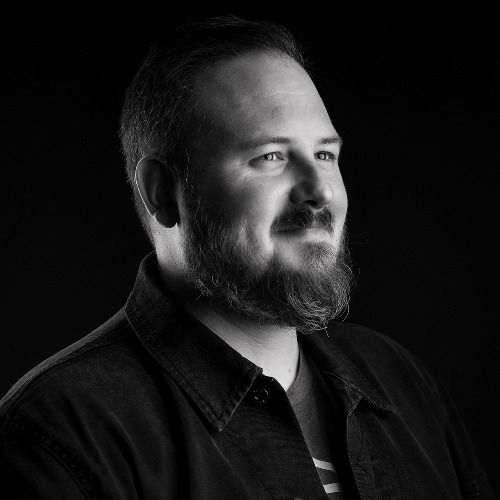
Common Thread - Episode 4, Part 1 (The Unraveling - Karl Buechner, Jeremy Mueller, Keith Ward)
In part one of two, Rory and Greg interview authors Karl Buechner (Earth Crisis, Path of Resistant, Freya), Jeremy Mueller, and Keith Ward about their debut novel The Unraveling: The Council of Crows.
Drawing from influences like the Redwall series, Mrs. Frisby and the Rats of NIMH, and Watership Down, this book is targeted towards kids ages 8 - 12, but it will appeal to readers of all ages who enjoy high fantasy, books with anthropomorphic animals, or adventure stories featuring an ensemble of characters.
Our guests discuss the origins of this unique multi-author project, the collaborative process, and the books and films that influenced their work. The co-hosts and guests discuss the characters, how they were developed, and the various philosophies and archetypes they each represent.
Karl is well known for his outspoken views on animal rights, environmental conservation, and vivisection. This books subtly eludes to some of these issues without being preachy or heavy handed. Fans of Daniel Quinn's Ishmael will likely notices the influence that book had on the Platonic dialogue between the characters Scarecrow and Twig.
The Unraveling: The Council of Crows is the first book in a trilogy. The first installment is available from independent bookstores, and Amazon. The primary audience are teens and tweens, but aging punk rockers will enjoy reading this book along side their kids. The book was published Th3rd World Studios and is being distributed by Simon & Schuster.
Mentioned in this episode:
Lunchador Podcast Network
Check out all the shows on the Lunchador Podcast Network at Lunchador.org
Dialed In: A Coffee Podcast
Get Dialed In to the world of coffee with Aaron and Wade! Tastings, coffee news and opinion and more! https://dialedincoffee.captivate.fm
Mind of Magnus
Check out Mind of Magnus at magnusapollo.com, and leave him factoids at 585-310-2473! https://mind-of-magnus.captivate.fm
Transcript
Foreign.
Speaker B:Welcome to the post episode co host debrief that we recorded after we did the interview that you're about to listen to.
Speaker B:So unlike the versions of Rory and I that you'll hear in a few minutes, we have full prior knowledge of everything that will be discussed.
Speaker B:It's the closest I'm ever going to get to time travel.
Speaker B:So this was like a really cool interview.
Speaker B:And I've done a handful of interviews obviously on this podcast and, and the Hardcore Archive podcast.
Speaker B:And this was one of the more meaningful ones for me.
Speaker B:And I think I mentioned it in the episode.
Speaker B:Gets kind of the intersection between hardcore and books, literacy and libraries.
Speaker B:And it really feels like this is like the most authentically me episode that I've, I've had the ability to do.
Speaker B:And I know, Rory, that like, you are someone that I've known.
Speaker B:You've always been reading something.
Speaker B:You've always read fiction too, and you've read fantasy.
Speaker C:Y.
Speaker B:And so I'm kind of like, curious just to hear what your take on this book was like.
Speaker B:What, you know, what did it mean to you?
Speaker B:Did you enjoy it?
Speaker B:What did you think of it?
Speaker C:I mean, I enjoyed it.
Speaker C:I thought it was a wonderful adventure story.
Speaker C:And I think it hits age groups, you know, young adult, obviously, but also, you know, preteen can really grasp and hold on to this book.
Speaker C:You know, my 10 year old reads Stranger Things, but at the same time, you know, I think it would connect with him being able to read like Robin Hood or Watership down.
Speaker C:And it really connects a lot of those threads where I think young adult, but also moving into folks our age.
Speaker C:I think it hits a lot of those marks for us too.
Speaker C:And I think a lot of fantasy and science fiction and those realms hit a lot of those points along the way.
Speaker C:And this one just encompasses a lot of that in, in spirit and then even in the way it looks too.
Speaker B:Yeah, I think one thing they did right was they had a great illustrator come up with these awesome illustrations.
Speaker B:And we talk about the illustrations in absolutely.
Speaker B:The interview and you mentioned Robin Hood and the illustrations really remind me of the classic.
Speaker B:I think it was from like the 70s Disney.
Speaker B:Robin Hood with the Fox.
Speaker C:Absolutely.
Speaker B:So it kind of has that vibe to it.
Speaker B:Like there is.
Speaker B:It's serious, it's dark at times, but there's a playfulness to it.
Speaker B:And I, I, for me, when I read it, it, it hits similar to Mrs.
Speaker B:Frisby and the Rats and Nim and Red Wall.
Speaker B:And I think you like in the, in the review journals that I'VE read where the, where you know, the professional journals for libraries that have reviewed this book.
Speaker B:It's targeted toward like an 8 to 12 year old range.
Speaker C:Right.
Speaker B:And I think it really gets that preteen kind of target audience.
Speaker B:Right on.
Speaker B:I would say that this book is, is actually a genuinely good book.
Speaker B:And I didn't know what to expect before going into this.
Speaker B:I saw on social media that Carl from Earth Crisis was involved in writing a book and that it was like targeted toward maybe teenagers and it was like animals and high fantasy.
Speaker B:And I thought, okay, this is going to be cool.
Speaker B:I'll probably be able to pick up the like animal, animal rights, animal liberation vibe from it, which a little bit of it is in there.
Speaker B:But it's not, you know, it's not like a hardcore ideological book about animal rights.
Speaker B:Definitely for fans of Mrs.
Speaker B:Frisbee and the Rats and him and Red Wall, Watership down.
Speaker B:And I think there's some contemporary series that I think kids have been reading.
Speaker B:One of them is called Warriors.
Speaker B:It's about like a clan of feral cats and it's like a whole series.
Speaker B:The author is Aaron Hunter.
Speaker B:That one was probably popular like maybe 10 years ago.
Speaker B:And then there's a similar series called Seekers.
Speaker B:It's also about like animals that kind of have a society targeted toward the same audience.
Speaker B:And I think, I genuinely think, and this isn't just me, you know, trying to suck up to my childhood hero.
Speaker B:I, I genuinely think this book is better than the Warrior series and the Seekers series and it comes close to Mrs.
Speaker B:Frisbee and the rats in them, which is a really high mark to hit.
Speaker B:So I would say definitely share this book.
Speaker B:If you've got preteens, tweens in your life, kids between 8 and maybe 15 might like this book.
Speaker B:But it also, you know, for me, as, as, as someone who's been vegan for, you know, 23, 24 years, someone who's listened to punk and hardcore.
Speaker B:I think anyone who is involved in hardcore that likes high fantasy, that grew up reading the books that we've mentioned, would enjoy this too.
Speaker B:Even if you're an adult.
Speaker C:Yeah.
Speaker C:I mean, the adventure aspect is right in there to connect with so many different types of characters.
Speaker C:And you know, we talk about that and it's really neat to see that come alive and you can see yourself as one of these characters and your friends too.
Speaker C:You know, you have those different elements that are embedded in there.
Speaker C:So I, I really enjoy that and that they're all.
Speaker C:And it's an animal story.
Speaker C:It's there's no humans involved with that, which I found really fascinating.
Speaker B:Yeah, you can also the, the, the thing too that they mentioned, which I didn't pick up when I read it, but when the authors mentioned, you know, there's, there's like a, like a troop of performers that like kind of go on tour between different animal communities.
Speaker B:There's like a bard and definitely is like a punk band being on tour in, in their van.
Speaker B:So it has that element to it.
Speaker B:But I, I like kind of missed that the first time I read it and I kind of want to go back and take a look at some of those chapters.
Speaker C:Yeah.
Speaker C:And you almost like see like the different audiences that they have to interact with throughout that, which I, which I do really find as someone that is, has been in, in touring bands, very real in that capacity.
Speaker B:And there's one section where like the, the performers are talking.
Speaker B:They're like, go to this one community or we could go to this other one, but we're not really welcome there anymore.
Speaker B:And it's kind of like when you're in a band and like, you know, maybe you're playing fast hardcore and you get a show in another city and that city's known for like just like heavy mosh parts and you don't really have those and you're like kind of rolling up like, what are they going to think of us?
Speaker B:So you know, it's in there, it's in there.
Speaker B:If you've like been in a band, you can kind of see Carl's influence in that.
Speaker B:I did also want to say too, after we did the interview, a really important trade magazine that reviews fiction and non fiction books for libraries of all different kinds reviewed this book and they gave it a positive review.
Speaker B:And it's like kind of a big deal.
Speaker B:The magazine is called Kirkus and like they're known for being like brutally honest.
Speaker B:If like a book isn't good, they'll just put it out there.
Speaker B:And the Unraveling Council of Crows got a really good review, which is important and it's meaningful because they don't just like give good reviews out, you know, to like be kind to like first time authors or people publishing their debut book.
Speaker B:Like I would say the equivalent of Kirkus is kind of like, what was that zine that was like brutally honest and gave Witness a bad review?
Speaker B:I think it was like heart attack maybe.
Speaker C:Yeah, heart attack, definitely.
Speaker B:Yeah, like it's, it's like the literary world equivalent of heart attack.
Speaker B:Because if you talk they're gonna, they're gonna tell you, but they gave it a good review, which I think means a lot of libraries around the country, public libraries and school libraries, middle school libraries, are probably going to buy this book.
Speaker B:So.
Speaker B:Kudos.
Speaker B:Kudos to all of our authors who pulled this off, because it's, it's going to go places.
Speaker B:And I think it's awesome that we got in on the ground floor about.
Speaker B:On this book, too.
Speaker C:Yeah.
Speaker C:And that the, the.
Speaker C:It's a trilogy and they're ready to go with it, which is really exciting for, you know, any fantasy person that reads these books, they get into them and all of a sudden, you know, authors stop or something happens and it's not going to happen.
Speaker C:They're not going to complete it right away.
Speaker C:So that was really a nice thing to hear.
Speaker C:That has actually finished and they're.
Speaker C:They're ready to go with it every year.
Speaker B:It's a good insurance policy because I know, like, Dune is a book I've read that.
Speaker B:I've, I've never read the full series, but I know it, like, kind of ends in a, in a bummer because Frank Herbert died and then his, like, son finished it with his notes.
Speaker C:Yeah.
Speaker B:And, like, I guess the fact that it's.
Speaker B:His son is kind of meaningful and it's from his notes.
Speaker B:But, like, I've given up hope that there's going to be an end to A Song of Fire and Ice.
Speaker B:Like, I don't think George R.R.
Speaker B:martin is going to finish that.
Speaker C:Yeah.
Speaker C:I mean, and, and you, you hope, you know, and folks that have finished the series that's on hbo, you know, they, they already have an ending in mind.
Speaker C:So, you know, the folks that have been reading the books the whole time are like, well, it's not really finished.
Speaker C:So.
Speaker B:Yeah, yeah, I, I read the first one, but I'm not, like, super invested in that series, so it doesn't bum me out that much.
Speaker B:But I know it's kind of like, you know, I know I, I know a lot of people are pretty sad about that.
Speaker B:So it is what it is.
Speaker B:That won't happen with the unraveling.
Speaker B:It's all in the bank, ready to go.
Speaker B:I also want, like.
Speaker B:And I'm the interview that you're about to listen to.
Speaker B:It's.
Speaker B:It's basically just about the book.
Speaker B:We didn't get in.
Speaker B:I didn't, did not put on my fanboy hat.
Speaker B:And I'm glad because this book really deserves to be showcased independently of, like, Carl's involvement with Earth Crisis and Path of Resistance.
Speaker B:But it Was this is like a bucket list interview for me.
Speaker B:The fact that I got to sit down for almost two hours and ask questions to somebody who had a profound influence on my life and continues to.
Speaker B:I mean, I really think for me personally, the only other people that might be more meaningful to interview would be like Ian Mackay or Henry Rollins.
Speaker B:And so interviewing Carl was pretty meaningful.
Speaker B:And you and I have like an interesting story about how our paths crossed with, with Carl.
Speaker B: I think it was probably: Speaker B:We were in Witness Vegan Straight Edge at a time where like vegan straight edge wasn't cool anymore.
Speaker B:Like definitely after the 90s, I feel like it was still present in hardcore.
Speaker B:A lot of, A lot of Straight Edge people, obviously a lot of vegan people, but it just, people weren't going for the vegan straight edge thing.
Speaker C:Yeah, it wasn't on Hard on the Sleeve.
Speaker C:Vegan Straight Edge anthems weren't, weren't out there, you know.
Speaker D:Yeah.
Speaker B:And so we, but we put it out there and we like wore it on our sleeves and, and we had lyrics about it and we were upfront about it and we played Syracuse, which is like the epicenter of vegan straight edge.
Speaker B:And it was at Westcott Community center and Carl was there and I remember being psyched that he was there and knowing that he like watched our band and in, in between songs you were like, yeah, I don't, my recollection is you, you gave like a speech about veganism.
Speaker B:You're like, I don't mean to force the issue of veganism, but you know, veganism, yada yada, yada, blah, blah, blah, Go vegan.
Speaker B:And after the set, I wasn't there for this interaction, but after the set he like came up to you, was like, you know, it's okay, you can force the issue of veganism.
Speaker B:You don't have to like, you know, walk, walk on eggshells or something.
Speaker C:Yeah, he basically came out to his, like, you know, it's okay.
Speaker C:These things need to be forced sometimes.
Speaker C:You know, it's, it's okay to be direct and talk about it in a non apologetic way.
Speaker C:Um, and, and I think that's human nature to some degree to apologize if you're making folks uncomfortable.
Speaker C:And I think the older you get, the more comfortable you get with being okay with that.
Speaker C:And I, you know, it's also a testament to where we were in the, in the scope of being a band that, and there's no other bands really talking these issues.
Speaker C:And it's okay to put it out there and be authentic and, and be uncomfortable with that and make others uncomfortable with being.
Speaker C:Having something to say worth.
Speaker B:Okay, good.
Speaker B:All right.
Speaker B:So.
Speaker B:All right, well, thank you for joining us for another episode of Common Thread.
Speaker B:This episode is a really super meaningful one and I think it's one that'll hopefully connect us with new audiences and give folks something to think about in their daily life.
Speaker B:Rory, how are you doing?
Speaker C:I'm doing well.
Speaker C:I'm doing well.
Speaker C:I'm getting over this chest cough thing, but I'm doing better.
Speaker B:Yeah, we've timed this interview perfect because my wife is deathly ill and I know probably within 12 to 36 hours I'll be there too.
Speaker B:But I'm in perfect health for this, so I should be.
Speaker B:I should have all of my mental agility to ask all the right questions and do all the right follow ups.
Speaker B:So today we have three guests on their authors.
Speaker B:They've recently written a new book which will be released today on May 20th.
Speaker B:It's called the the Council of Crows.
Speaker B:And of course we have Keith Ward, Carl Beechner from Earth Crisis and Path of Resistance fame.
Speaker B:And can't forget about Freya and Jeremy Mueller.
Speaker B:How are you folks doing?
Speaker E:Good.
Speaker A:Yeah, man, we're doing okay.
Speaker E:Thanks for having us on.
Speaker E:And I hope all you guys feel well soon.
Speaker C:Thank you.
Speaker E:That you're sick.
Speaker B:It's just one of those byproducts of having kids, you know, they're always getting into something.
Speaker D:Little petri dishes, huh?
Speaker C:Yes, yes, yes, they are.
Speaker C:They love to share.
Speaker C:They're.
Speaker C:They, they.
Speaker A:That's what you get for teaching them.
Speaker A:Right?
Speaker B:So I wanted to do just a little bit of an introduction.
Speaker B:So guys, if you could just kind of go down the line and just tell us a little bit about yourself, you know, maybe if, you know, obviously Carl, we know you've been in some bands that people have heard.
Speaker B:But Jeremy and Keith, I'm interested to know just a little bit about your background either as, as authors, you know, creative talents or, or any, any, any other labels or titles you might self apply.
Speaker D:All right, well, I.
Speaker D:So my name is Jeremy.
Speaker D:I am, let's see right now I do decorative concrete.
Speaker D:Obviously one of the co authors of the Unraveling.
Speaker D:This is the first, first book that, that I've co authored.
Speaker D:I hadn't written anything else other than stuff for, you know, friends and family.
Speaker D:I owned a bakery a long time ago, so I definitely love the arts.
Speaker D:You know, I was a pastry chef for a while.
Speaker D:You know, concrete is very similar in a lot of ways, but I'M also a contractor, so I love working with my hands.
Speaker D:I'm also a musician.
Speaker D:I play the bass, and that's pretty much it.
Speaker D:I'm a father of.
Speaker A:A father of four.
Speaker D:You know, I have two beautiful daughters and two step.
Speaker D:Two awesome stepsons.
Speaker D:My.
Speaker D:My beautiful wife Melissa, who's a hairstylist.
Speaker D:So, you know, there's a lot of creative.
Speaker D:Creative chemistry in our house.
Speaker B:Well, this book really resonated with me, because I know it did with Rory, because we're both fathers as well, so we'll get into that.
Speaker B:And then, like, decorative concrete.
Speaker B:Is that, like, the stamped concrete where you can, like, make it look like.
Speaker B:Okay, cool.
Speaker B:All right, I get that.
Speaker B:No, there's definitely some crossover with, like.
Speaker B:Like.
Speaker B:Like frosting a cake, I would imagine, and using a trowel to, like, apply the mortar.
Speaker A:Yeah, yeah.
Speaker C:One's a little bit more permanent, you know.
Speaker E:Yeah.
Speaker D:You can't eat one of them, and.
Speaker C:Unless you're a young kid, you know, Jeremy's been modest.
Speaker E:He's holding back a little bit.
Speaker E:He is a.
Speaker E:He's a poet, and he's written short stories, and that's what.
Speaker E:What brought him onto the team.
Speaker C:Awesome.
Speaker C:Love to hear that.
Speaker B:And base, have you played bass in any bands that those of us regionally in, like, the Northeast might be familiar with?
Speaker D:No, just, you know, a lot of small stuff.
Speaker D:You know, I was.
Speaker A:Believe it or not, like, when I.
Speaker D:First started playing, I was in a blues band for a little while.
Speaker D:We played some shows, but I primarily just, you know, like to mess around at home.
Speaker D:You know, I played with.
Speaker D:You know, it's.
Speaker D:It's awesome, you know, like, you know, knowing Carl and just.
Speaker D:There's a lot of great musicians in the Syracuse area, and I have a lot of friends that are from the Ogdensburg area that just, you know, like, Carl always laughs and says, there's something in the water in Ogdensburg.
Speaker D:There's a lot of great musicians up there, so there must be.
Speaker D:I've had the pleasure of working, you know, playing, you know, doing some side projects, and my good friend Greg Brissette, who's in the Underwater Bosses, and, you know, we, like.
Speaker D:He's a.
Speaker D:He's a great.
Speaker D:Great.
Speaker D:I shouldn't say great.
Speaker D:He's an amazing bass player.
Speaker D:So just being able to play with him and, you know, we do dueling bases and Stu.
Speaker D:Like, that is a lot of fun.
Speaker E:And Underwater Bosses are surf rock band.
Speaker E:They're very unique.
Speaker C:Sweet.
Speaker B:Okay, cool.
Speaker B:Yeah, no, I know all about surf rock because a friend of mine's father was like really into surf rock.
Speaker B:So I pick a little bit up just from him.
Speaker B:And then we have a guy from.
Speaker B:He used to be from Rochester, where Rory and I are based out of.
Speaker B:Vinnie Mirvino, who runs a surf rock record label that.
Speaker B:That it seems to be doing pretty well.
Speaker B:So that's a cool punk adjacent music that I can get into sometimes.
Speaker B:Yeah.
Speaker D:Yeah.
Speaker E:Carl, Underwater bosses just played Syracuse maybe a couple weeks ago at the Jug.
Speaker D:Yeah.
Speaker E:Here in the city.
Speaker E:And they were great.
Speaker E:They had two horn players.
Speaker D:Yeah, they.
Speaker D:They are awesome.
Speaker A:They're cool.
Speaker D:Yeah.
Speaker C:That's rad.
Speaker A:And obviously I'm Carl Buechner, so I'm Keith Ward.
Speaker A:I've been writing for a good long time.
Speaker A:I've done some ghostwriting work and the three of us are on a project right now.
Speaker A:This really great dude out of Wilmington, Delaware, his name is Dave DeLuca.
Speaker A:So a shout out to him.
Speaker A:His.
Speaker A:His grandfather was drafted to World War II to serve in Bora Bora at like 40 something.
Speaker D:47.
Speaker A:There it is.
Speaker E:And as a Lutheran pastor.
Speaker A:Yeah.
Speaker A:And also decided to like keep journals for the first time in his life while he was overseas.
Speaker A:And his grandson Dave, who we're working with now, turned all those journals over to us.
Speaker A:So we've been working on that project while working on this one.
Speaker A:And I teach.
Speaker A:I teach a course in tabletop game design.
Speaker A:I dabbled in stand up comedy during the first divorce, which was, you know, wonderful and then depressing, but really just a ton of fun.
Speaker A:And being a part of like the.
Speaker A:Just the make, I think community.
Speaker A:Right.
Speaker A:There's like people who are like, whatever, I don't know, we got nothing else to do.
Speaker A:Let's try this.
Speaker A:And then I had the chance to.
Speaker A:I met Jeremy in a set of circumstances and he bumped me into Carl.
Speaker A:And then come to find out we all had something in common, which apparently was a story about some groundhogs and stuff.
Speaker A:You know, we had to get that out.
Speaker A:Yeah.
Speaker A:That was necessary.
Speaker C:Amazing.
Speaker C:That's really neat that you guys are not only working on this project, but working together on another one too.
Speaker C:That's exciting.
Speaker A:Yeah, this is our.
Speaker A:Yeah, this is our second full time project and I had like a couple side gigs, you know, working in the.
Speaker A:In the field.
Speaker A:And it's really just been super cool.
Speaker A:I think authors, sometimes they get this like stereotype of being like loners in a space, you know, and this is anything but that.
Speaker A:We, we are never alone and it's never quiet and there's always either a lot of joy or A great big argument or there's just so many, so many ways to create with people.
Speaker A:And I think.
Speaker A:I think writing benefits from a band mentality.
Speaker A:Oh, humorously enough, sure.
Speaker A:Yeah.
Speaker E:That's how we wrote this book.
Speaker E:We put it together the way a group of musicians in a band composes an album.
Speaker C:That makes sense.
Speaker C:I was going to ask, like, how did.
Speaker C:I mean, we can get into it later, but it seems like there is so much synergy in that.
Speaker C:When you've been in bands, you understand that there's a give and take and then there's a natural relationship.
Speaker C:How ebbs and flows.
Speaker C:And working with three co authors, it seems like you have to have something like that in order for it to work.
Speaker E:Yeah.
Speaker E:And what that is is a shared vision.
Speaker E:I mean, I think we went through probably 10 or 12 different potential stories and we kind of zeroed in on one.
Speaker E:But then this particular story, everyone seemed to gravitate towards meaning.
Speaker E:Jeremy and Keith.
Speaker E:When I presented the first version of it, the early primitive version of it that we built out together, layer by layer, into the world that it is, into the cast of characters that it slowly became.
Speaker E:And each of these characters is comprised of different parts of, you know, Keith's personality or his experiences, or Jeremy's and mine of course, as well.
Speaker E:I mean, we've all traveled extensively, you know, we're all fathers and uncles.
Speaker E:We've all been, you know, part of.
Speaker E:Part of teams before.
Speaker E:So it didn't feel that different.
Speaker B:Well, I can tell that, like, the collaborative approach really enhanced this story.
Speaker B:And I was going to say, before you even mentioned it, it really seems like your background and familia with music and hardcore and punk probably brought that energy into the project in a way that few books possess usually.
Speaker B:I think that stereotype exists for a reason of the loner author working alone, you know, by the typewriter late at night or something.
Speaker B:Because that is how a lot of books seem to come to be.
Speaker B:But I dig the collaborative approach and the group energy and the synergy.
Speaker B:Would you guys mind just kind of giving a high level overview of kind of the plot of the book and the setting and maybe some of the protagonists and antagonists for those of the folks who are listening who haven't maybe checked it out yet.
Speaker E:Yeah, basically what the story is, it's an adventure and it's set in a world that no longer has human beings in existence.
Speaker E:They've become extinct.
Speaker E:And Keith was very hard edged about that.
Speaker A:I really was.
Speaker A:I'm sorry.
Speaker E:Yeah.
Speaker E:And I was like, so there's no people.
Speaker E:And he's like, zero.
Speaker D:And I was like, well, maybe there are some.
Speaker A:There's not.
Speaker D:And they were like, nope.
Speaker D:And I said, fine, okay.
Speaker E:Keith slammed his fist down and raised his voice.
Speaker D:And we're like, okay, there's no people.
Speaker A:Yeah, I did it delicately.
Speaker E:Okay.
Speaker D:No, you did.
Speaker A:I did it.
Speaker E:No, it was not delicate.
Speaker E:It was personal.
Speaker E:But it stuck.
Speaker E:It did.
Speaker E:And the characters are animals, and they are the descendants of creatures that were subjects of experiments in the vivisectionist laboratory that was owned and run and managed by a mercenary group.
Speaker E:So the animals were replacements for drones for surveillance or finding or planting mines and everything else that's involved in warfare.
Speaker E:And we kind of use the mercenary group as a placeholder for, you know, fill in the blank with corporation, government, what have you, to not let, you know, not let anyone off the hook.
Speaker E:And also not put any specific nation in the crosshairs.
Speaker E:It's all of humanity that's involved in the exploitation of slaves, be they humans or animals.
Speaker E:You know, all the wars for resources and territory and everything else.
Speaker E:So these creatures in the future, when humans are extinct, have this warlike mentality that they've inherited.
Speaker E:So essentially, they're haunted by the unholy ghosts of the past, and they think that conflict is how squabbles are resolved.
Speaker E:And, yes, it's an adventure, and it's also a journey.
Speaker E:There's a lot of philosophy that we wove into the plot, and it's in many ways a very unflattering portrait of humanity.
Speaker E:But it's not to down, you know, us as a species.
Speaker E:It's to hopefully be corrective.
Speaker E:It's like if you look in the mirror and your hair is a skewed.
Speaker E:You know.
Speaker A:So when the reader picks up this book, the thing they're going to find is they're just thrown.
Speaker A:Forgive the Latin, but they're just.
Speaker A:It's Amadeus race.
Speaker A:You're just thrown into the middle of this with this tiny bird who is probably.
Speaker A:He's probably best understood as, like, how we would understand, like a Mennonite, he lives in a culture that's devoid of anything that would be human comfort.
Speaker A:And he's attacked by our antagonists.
Speaker A:And I'll let Jeremy get into the antagonism shortly, but I'll run through our heroes.
Speaker A:And so he meets this.
Speaker A:This bird and.
Speaker A:And they eventually forge this unlikely friendship.
Speaker A:And a lot of the philosophy, we tell the story in three parts.
Speaker A:You're going to be with Scarecrow and Twig, and that's where we we deal with a lot of ecological philosophy stuff, like Daniel Quinn.
Speaker A:We look at everything right down to the Socratic.
Speaker A:Right.
Speaker A:Like, really, like Scarecrow is.
Speaker A:Is a little bit of Socrates minus the ick.
Speaker A:And then we have Boswell and Ika and iu, and they're traveling performers, and in a lot of ways, that's, I think, Carl, and my confession on being on the road and, you know, you want to be everything in the eyes of your audience, and sometimes you're not.
Speaker A:And so we really give Boswell all of our hard hits.
Speaker A:You know, the moments where, like, I remember standing at a urinal one time and some dude was like, you're.
Speaker A:You were just on stage.
Speaker A:And I was like, yeah.
Speaker A:He was like, you shouldn't be.
Speaker A:And I was like, thank you so much.
Speaker A:That's what a great time to get that news.
Speaker C:It seems like a very German compliment.
Speaker A:And also, like, you're, I mean, literally exposed, you know, like, it's just.
Speaker A:Couldn't be a worse time.
Speaker A:But that's also.
Speaker A:That's performance.
Speaker A:Right?
Speaker A:Like, for every compliment, what do they say?
Speaker A:Like, you got to get 15 to race one bad disco.
Speaker A:Boswell deals with those kind of things, and he's out adventuring.
Speaker A:And then those two arcs will eventually come together.
Speaker A:And then Jarrett, if you want, like, hit him up with the.
Speaker A:The bad guys.
Speaker D:Well, so then we have Kashmara and Traden and the Storm Cloud, who are the.
Speaker D:The antagonists in Kashmara who suffers from, you know, that there's a deep loss that you'll learn about in the story.
Speaker E:Thank you for that.
Speaker D:And, you know, and I don't want, again, I don't want to give too much away, but it's like, without too many spoilers.
Speaker C:Yeah.
Speaker D:And, you know, so it's like taking that loss to, I hate to say the next level because it's a.
Speaker A:It's a crazy level.
Speaker D:But, you know, you'll learn.
Speaker D:You'll learn through.
Speaker D:Through the loss and the exploitation, you know, of.
Speaker D:Of her, what.
Speaker D:What that really means.
Speaker D:But then she.
Speaker D:She turns and then they.
Speaker D:They.
Speaker D:They fall into the same struggles that, you know, we.
Speaker D:We see our governments falling into and, you know, just as regular, you know, human beings from a day to day, you know, so it's.
Speaker D:It's, you know, it's pretty crazy.
Speaker C:It's pretty beautiful that you.
Speaker C:You find some empathy with them through that loss.
Speaker C:And yeah, initially, initially, you're.
Speaker C:You're really caught in this space where this is like a good evil conundrum.
Speaker C:Right.
Speaker C:And you're like, oh, okay.
Speaker C:But then you all.
Speaker C:You wove in that storyline where you're like, wait a minute.
Speaker C:No, it's not just good and evil.
Speaker C:There is a way to connect with these other folks that aren't just completely wanting, you know, total destruction.
Speaker C:And then you have someone like Twig that is seeing that and exposed to that.
Speaker C:It's.
Speaker C:It's a really beautiful connection there.
Speaker A:Oh, thank you.
Speaker A:That's really kind.
Speaker A:And I think one of the things that we've.
Speaker A:From a storytelling aspect, I think there is a subconscious awakening, hopefully, in every author from what Gregory Maguire did many years ago with Wicked and then has been deeply derivative in that work.
Speaker A:But I think figuring out, why does someone feel like evil for evil is the only response.
Speaker A:And I think once we can understand why a character might do that, I guess our hope would be that we can begin to find compassion, even.
Speaker A:Even for the people we don't feel compassionate towards.
Speaker A:And right now, it's such a polarizing time.
Speaker A:You know, you sit across the table from your family, and sometimes they don't feel recognizable.
Speaker A:And yet the goal is to love.
Speaker E:Right?
Speaker A:That's the message, and that's the joy of our humanity, is.
Speaker A:Is to love in all conditions.
Speaker A:And we do hope that despite her shocking commitment to devastation and evil, that.
Speaker A:I mean, her name.
Speaker A:Her name, Carl, named Kashmar.
Speaker A:It's just Russian for nightmare.
Speaker A:And in all of that, the hope that maybe.
Speaker A:Maybe in her imperfection, we can return to the dream and find something better in ourselves in an act of forgiveness.
Speaker A:And I don't know if it's possible for her.
Speaker A:We'll figure that out together.
Speaker A:But right now, the hope is like, man, what happens when you just put a dash of compassion.
Speaker A:And I'm glad you noticed that, because that moment for us was really important.
Speaker A:Is to be bigger than evil.
Speaker A:Right.
Speaker A:It's not reasonless.
Speaker A:In fact, if you follow her line of logic, boy, it's compelling at times, even if it leads you to a really dark space.
Speaker A:So.
Speaker C:Right.
Speaker B:I really appreciated that detail, and I'm a fan of Lord of the Rings, and I'm also a fan of Game of Thrones.
Speaker B:One thing that I think Game of Thrones does better is that, like, the evil characters have motivations that you can understand and are rational and that, to some degree, you can sympathize with.
Speaker B:So when you know, like, you find out about Kashmar's past, you do have some degree of empathy for her.
Speaker B:And what that made me think of is kind of where I am right now in my own Life.
Speaker B:I'm like, entering middle age and I'm starting to realize a lot of the people that I have interactions with, who I find difficult to interact with or who I don't agree with at all, you know, they're the things that make them difficult to be around or to come to an understanding are all things that are causing them suffering.
Speaker B:And inside that person that I find so detestable maybe is another human being who is suffering.
Speaker B:And I can have compassion for that at least, even if I can't agree with, you know, their goals, their motivations or intentions.
Speaker B:I also really want to just say that I.
Speaker B:I really liked the segments of the story with Twig and Scarecrow.
Speaker B:You know, some of you mentioned that you, you have kids or, you know, like nieces and nephews in your life.
Speaker B:And right now I'm, you know, relatively early in my experience with fatherhood.
Speaker B:But I really liked Scarecrow.
Speaker B:He seems to kind of grow from that same ancient archetype that like Obi Wan Kenobi or Gandalf kind of emerges from that, like, warrior sage kind of archetype.
Speaker B:And I kind of like see myself transitioning from that archetype in life where I was like the young adventurer and I'm imagining myself as Luke Skywalker, the hero who saves the day.
Speaker B:And now I'm kind of stepping into that role as maybe the older, slower, but wiser and more measured person who's giving advice to the young adventurer.
Speaker A:Yeah, I think every one of us, we really feel a deep connection to Scarecrow because we've got a lot of things to say.
Speaker A:And I, I do think we'd like to imagine that if push came to shove, we could really kick some ass.
Speaker A:Yeah.
Speaker A:And I don't know if we can, but boy, is it a.
Speaker A:It's a tempting line of thought.
Speaker B:So what's the intended, like, target audience for this book?
Speaker B:Like, what kind of grade level or age level did you have in mind when you were putting this together?
Speaker B:And did that, like, evolve as you, like, revised the book and came up with new ideas?
Speaker D:Yeah, I think so.
Speaker D:I think when we originally, when we originally started writing it, we were going for the YA or the young adult genre.
Speaker D:And then when we went to market with the book, we quickly realized that it was not.
Speaker D:It was more of a middle grade, middle grade fantasy with some, like, elevated language.
Speaker D:Our hope was that, you know, so like, when I was talking to the guys, when we, when we write, you know, we always try to kind of push it a little bit because some of my favorite Stories like, when I was growing up, I loved reading books where I had to grab a dictionary and I might not have known what this word meant.
Speaker D:But, you know, for me, that was part of the fun of reading and I was.
Speaker D:Our hope was that, well, let's, let's, let's try to push the reader, you know, not, obviously not too much because you don't want them to.
Speaker D:You get bored.
Speaker D:But you know that that was the hope.
Speaker E:Right.
Speaker D:But also for, for the parents too, because this, it's middle grade, but this really is for everybody, you know, like, you know, with some of the humor, you know, that we have in it, where the hope is that, you know, the parents can read with the children, you know, and you know, one day when it is on the, the big screen, everybody can have a laugh together.
Speaker D:So.
Speaker A:Yeah, I mean, I, I think we would probably say it's, it's targeted for anyone who's between 8 and 108.
Speaker A:And you're older than that.
Speaker A:We love you too.
Speaker A:Just.
Speaker A:Yeah, you don't show up in the demo that often, that's all.
Speaker C:Have any of your kids or nephews or nieces been a fan or read the book yet?
Speaker C:I've been able to.
Speaker E:Oh, yeah, my son got the book today.
Speaker E:I gave him the hardcover copy.
Speaker E:And you know, one thing I wanted to make sure that we, we address was, you know, Jeremy as a poet, Keith as a, as a teacher and someone that's written material for stand up comedy for the stage and myself as a lyricist.
Speaker E:We tried, you know, to get to the point quickly.
Speaker E:We tried to paint a picture.
Speaker E:Yeah, you know, we want you to feel like you were there in this, in the Greater Scarecrow or in Kashmar's Castle.
Speaker E:So we tried to be as, as descriptive and as visceral as we possibly could.
Speaker E:We want this to feel, we want this world to feel like a place that you're visiting.
Speaker D:And my, my stepsons were, were, were the, the test subjects.
Speaker D:Whenever we'd write a chapter, we, you know, write a couple chapters, I usually would give them, you know, we'd write a couple and then I'd set them down and I would read it and read it to them relentlessly.
Speaker D:But, you know, like when, when we started getting, when I started getting laughs out of them, I'd come and bring it back to the room and be like, all right, this drives the kids like it.
Speaker D:So, yeah, they've been along the journey with us.
Speaker C:That's beautiful.
Speaker B:Well, my, my day job is, I'm the director of a public Library outside of Rochester.
Speaker B:And so I have a lot of occasions to, you know, like, check out books that people are reading, kind of get a.
Speaker B:Get a sense for what's popular, you know, with different demographics right now.
Speaker B:And I think this demographic that you're shooting for, kind of the middle school level, is really the optimal place to write a book.
Speaker B:Like, if I was going to write a book, I'd probably go there because those books are almost just as popular with high school kids.
Speaker B:And I also know there are quite a few adults who like, you know, reading books that are originally targeted toward that audience.
Speaker B:And then you can also pick up some of the, like, maybe a little bit more mature, you know, fourth or fifth graders who are already at that reading level or, you know, maybe they're familiar with some of the concepts that might be represented in this book.
Speaker B:So I think it's like really the optimal.
Speaker B:The optimal age group to shoot for, because if you're an adult, it's a quick, fun read.
Speaker B:You know, you can knock it out in a weekend.
Speaker B:And then if you're like a, you know, in the target audience, you know, it's good in this, your.
Speaker B:Your book, the unraveling, because you're, like, not talking down to the kids.
Speaker B:So many times I see books that are for that age level, and they kind of sanitize, you know, the state of the world or, you know, what life might really be like in an environment like you present in the book.
Speaker B:And it's, it's.
Speaker B:It respects the maturity that I know kids in middle school have had to develop because I was a kid in middle school, and I imagine it's the same, if not even, even more important now.
Speaker B:So I wanted to ask a little bit about, like, kind of the collaborative process and the creative process.
Speaker B:Did you, all three of you guys know each other prior to working together on this book, or did this kind of snowball into it, you know, where, where it is right now?
Speaker D:Yeah, so.
Speaker D:So yes and no.
Speaker D:So I.
Speaker D:I've known Carl for, oh, well over 20 years, almost 30 years now.
Speaker D:Well, probably 25 years.
Speaker D:I've known Keith for probably about as long.
Speaker D:And we.
Speaker D:So, like, how it all came to be, you know, one day, you know, I.
Speaker D:I think I called the both of them on the same day, and I was like, you know, I'd love to write a story or a screenplay or something.
Speaker D:It was like one of those bucket list things that, you know, that I'd always wanted to do, but I didn't, if I'm being honest.
Speaker D:I didn't really know where to start or even how to do it, you know, like.
Speaker D:And so Carl and I, you know, just when we worked together and just, you know, being friends, we would travel around.
Speaker D:We.
Speaker D:I've told this story before.
Speaker D:We.
Speaker D:I had this old SOB and the radio didn't work, so we would drive and we would travel long distances, and we would just make up stories to make each other laugh because the radio didn't work.
Speaker D:Well, Carl, being the natural, you know, lyricist, writer that he is, actually started writing these stories in these, like.
Speaker D:These notebooks.
Speaker D:And when I.
Speaker D:When I called them, and I was like, hey, you know, I'd love to write a story.
Speaker A:He was.
Speaker D:And I was like, remember that?
Speaker D:You know, we talked about this?
Speaker D:And he was like, oh, yeah.
Speaker D:He's like, I wrote that down.
Speaker D:Or what about this?
Speaker D:He's like, yeah, I wrote that down, too.
Speaker D:And he was like, well, I have this one story.
Speaker D:You know, what are you thinking?
Speaker D:And I think I called Keith the same night, and I was like, you know, I'd love to write a story.
Speaker D:And Keith's like, yeah, say when?
Speaker D:And I was like, all right, cool.
Speaker D:So Carl and I got together at first, and we.
Speaker E:We were supposed to be putting up drywall that way.
Speaker A:Yeah.
Speaker D:And instead we were.
Speaker D:We were screwing around and, you know, trying to write a story.
Speaker D:And we both realized that we have great imaginations, but when it comes to actually formatting, you know, a story, that's where we lacked.
Speaker D:So I said, listen.
Speaker D:I said, let me call Keith.
Speaker D:So I called Keith, and I was like, hey, we're thinking about doing this thing.
Speaker D:Which, by the way, was a completely different story, and we.
Speaker E:A horror theme.
Speaker D:Yeah, it was.
Speaker D:No, it was more of, like the CIA, like.
Speaker D:Or more of like a conspiracy theory.
Speaker E:Yeah, it had some dark.
Speaker D:Yeah, yeah, for sure.
Speaker D:And we got together with.
Speaker D:With Keith, and that's what I sold.
Speaker D:You know, that's how I sold the idea to him, which is probably why he agreed to it.
Speaker D:And we got together, and then Carl showed up, literally, with a duffel bag filled with notebooks of different story ideas.
Speaker D:And we started, like, kind of leafing through them, and then Carl pulled this.
Speaker D:This one story out, and we started going through it, and I just remember Keith.
Speaker A:Keith saying.
Speaker E:Yeah.
Speaker D:He's like, you know what?
Speaker A:Let's.
Speaker E:Let's.
Speaker D:I'd love to do this with you guys, but I.
Speaker D:Do it.
Speaker D:I'll do it.
Speaker D:If we do this story.
Speaker D:If we.
Speaker D:You know, if we take this.
Speaker D:And then that's kind of how it started.
Speaker D:And that was.
Speaker D:I don't know how long ago it was, but nine.
Speaker E:All right.
Speaker A:Pretty close to 10 years.
Speaker E:Yeah, yeah, yeah.
Speaker A:I'd never met.
Speaker A:I never met Carl before.
Speaker A:In fact, I.
Speaker A:I don't even.
Speaker A:I was.
Speaker A:I was raised in a very.
Speaker A:What's the word?
Speaker A:Evangelical household in the 90s.
Speaker A:So if.
Speaker A:If you've seen any of the standup comedy that's come out of that period, you know, that's.
Speaker A:That's where I was.
Speaker E:I didn't know.
Speaker A:I was.
Speaker A:I bought Weezer's first album five times, and it was taken from me four.
Speaker A:So that was.
Speaker A:That was the battle I was fighting.
Speaker A:I didn't know, like, finding out about real punk and hardcore and metal was.
Speaker A:It was deeply.
Speaker A:It was much later in my journey, so I had no idea.
Speaker A:You know, I, Like, I met Carl at a fire, and Jeremy's like, this is Carl.
Speaker A:And I was like, hi.
Speaker E:And then he's.
Speaker A:Carl said a couple wild things and then peaced out.
Speaker A:And I was like, that was incredible.
Speaker A:But I had no clue about what you even did for a living.
Speaker A:And even when we met that first night, and I was like, yeah, I'll write a story.
Speaker A:Like, he.
Speaker A:And then, like, then Jeremy was like, you should probably look at his catalog.
Speaker A:And then I did, and I was like, holy cow.
Speaker A:Like, this dude believes some really wonderful things that I believe he expresses them very differently.
Speaker A:And that, for me, was.
Speaker A:That was enough of a hook.
Speaker A:And then we started talking about a fable.
Speaker A:And then.
Speaker A:Yeah, man, I was.
Speaker A:I think I was pretty much bought and sold hour one.
Speaker E:Yeah.
Speaker A:And.
Speaker E:And that's the thing I mentioned earlier, that we wrote this book the same way that a band writes an album.
Speaker E:You know, we each brought our different experiences, our different backgrounds to it, and we built this world layer by layer, year after year.
Speaker E:And this is the first book of three that comes out on Earth Day.
Speaker E:The Unraveling the Council of Crones.
Speaker E:And we're, you know, we're set up to release part two, Earth Day of next year, and then part three, Earth Day of the following one after that.
Speaker E:And we've got short stories that we're going to debut as well that connect to the world.
Speaker E:So we've been involved with this for quite some time, and we built it out.
Speaker E:And one of the things I'm really looking forward to is.
Speaker E:Is setting up a map for it.
Speaker E:I think that would be.
Speaker A:Yeah, yeah.
Speaker E:Like, I.
Speaker E:I loved exploring the map in the.
Speaker E:In the L.
Speaker E:Frank Baum Oz books or CS Lewis, Narnia, JRR Tolkien with The Lord of the Rings and the Silmarillion and the.
Speaker E:The other books that.
Speaker E:That predated.
Speaker E:So that.
Speaker E:That's something I'm.
Speaker E:I'm personally looking.
Speaker B:I'm a big sucker for the books that have the.
Speaker B:The map of the world, like, right in it.
Speaker B:That really draws me in.
Speaker B:I don't know what it is.
Speaker B:It's probably.
Speaker B:Probably because I'm, like, slightly neurodivergent or something, but I'll put a map in there, and I'm on it.
Speaker D:Yeah.
Speaker E:Yeah.
Speaker E:I think Conan, too.
Speaker E:The Conan books have maps.
Speaker A:We all agree that maps are deeply important.
Speaker A:And it's funny, because we've been talked.
Speaker A:We did.
Speaker A:We even did the exercise in house.
Speaker A:I remember being here.
Speaker A:I think the three of us were here, and we couldn't.
Speaker A:We were.
Speaker A:We were trying to draw maps, and, oh, maybe it's like the US or maybe it's like the globe.
Speaker A:And then I saw this great thing.
Speaker A:I don't know, maybe it was tick tock or some other unholy.
Speaker A:And someone was like, you want to draw a cool map?
Speaker A:Just stand above a giant piece of paper and spill coffee all over it.
Speaker A:And we did that.
Speaker A:And then, like, that's still in the office somewhere.
Speaker D:We still.
Speaker A:I don't know, we still have a draft.
Speaker A:And the truth is, by the time we got ready to push this forward, we.
Speaker A:We just.
Speaker A:We just ran out of Runway.
Speaker A:But I fully anticipate in book two, you'll be able to see the map that we've been working on for years.
Speaker C:Love that.
Speaker C:I love how the map is.
Speaker C:There is a map in the book, too, so it's not.
Speaker C:It wouldn't be a hard jump to, you know, fold that out and have that involved in the book, too.
Speaker C:So that's a beautiful thing.
Speaker A:Yeah, that's true.
Speaker A:Yeah.
Speaker A:The map plays a fun role through this book, too.
Speaker A:It gives you things that you didn't.
Speaker A:That you didn't know, need to be confirmed until all of a sudden later you're like, oh, yeah, that's confirmed.
Speaker A:Yeah, that's real.
Speaker A:That thing happened.
Speaker E:Yeah, that was referenced.
Speaker E:That place that they're heading was mentioned now.
Speaker D:Yeah.
Speaker A:The process of putting this together as a group of three is.
Speaker A:It's wild.
Speaker D:Yeah.
Speaker A:I think it tests creativity in a way that I'd never been tested before.
Speaker A:When you're certain.
Speaker A:When you're flying solo on a project and you feel certain, you just feel certain.
Speaker A:You go forward, and then the market, the audience, they react, and then you get that feedback, and then you edit and Alter.
Speaker A:And this is really cool because someone brings source material.
Speaker A:Originally, that was.
Speaker A:Carl brought us a couple pages, and we worked with that.
Speaker A:And then Jer would bring something, or I would bring something, and then to just have immediate feedback, that immediate moment of praise or.
Speaker A:Oh, that's not it.
Speaker A:There's times when the room falls silent the right way, and you're like, oh, hell, yeah, I'm crushing.
Speaker A:And then when the room falls silent the other way, and you're like, oh.
Speaker A:Like, I remember writing this passage.
Speaker A:We were talking about this the other day, Carl.
Speaker A:I remember writing this section where I thought one character should maybe catch feelings for another character.
Speaker A:And, like, Carl was like, nope.
Speaker A:And I was like, are you sure, though?
Speaker A:Because it feel.
Speaker C:And he's like, nope.
Speaker A:And then come to find out, like, exactly right.
Speaker A:Exactly right.
Speaker A:Like, the thing that this did not need was that complication and that.
Speaker A:That.
Speaker A:It's like.
Speaker A:It's like haptic feedback.
Speaker A:Right.
Speaker A:If you're, like, on your PS5 and you feel it before you see it, there's something really powerful about that, and the room provides that space.
Speaker A:It.
Speaker A:Don't get me wrong, it hurts your feelings deeply.
Speaker D:Yeah.
Speaker A:But, like, it is.
Speaker A:It also.
Speaker A:It also bolsters you every week because you're in a small audience.
Speaker D:Yeah, it's definitely.
Speaker D:Definitely takes a.
Speaker D:I'd say a different.
Speaker D:Different group of people.
Speaker D:Like, my wife can always ask.
Speaker D:She's like, I don't understand how.
Speaker D:How you guys are able to do what you do.
Speaker D:You know, she was.
Speaker D:She was like, I just.
Speaker B:She.
Speaker D:You know, being a creative, you know, person herself, she was like, when I have an idea, she's like, I just want to take it, you know, and just, you know, harness this and, you know, make it a thing, you know, and it's really hard to let that go with.
Speaker D:With two other individuals because it.
Speaker D:You know, when.
Speaker D:When each one of us has, you know, has these ideas, and it's hard to, you know, to hear those critiques, like Keith said immediately.
Speaker D:But I also think it's made us stronger, you know?
Speaker D:You know, in.
Speaker D:In.
Speaker D:I.
Speaker D:But I think it does take a special person, you know, or people to.
Speaker D:To be able to.
Speaker D:To take that kind of criticism and, you know, but.
Speaker D:But, you know, like, manifest or turn that into, you know, something, you know, that.
Speaker D:That can work, and not.
Speaker D:Not taking it to heart and just saying, okay, you know, like, this idea may not have worked, but because of that, you.
Speaker D:There was another idea that somebody else presented, you know, and that.
Speaker D:That's the cool thing.
Speaker D:It's Fun to see.
Speaker D:Like something might not hit, but you know what comes from that One thing is oftentimes pretty badass.
Speaker C:Yeah.
Speaker C:It seems that much like you're talking about the band aesthetic, like moments of writing and being creative, you're really allowing each other and exposing yourselves for that feedback loop, which is often, like you said, super hard to hear.
Speaker C:But for like you said earlier with the vision, having a vision, having a moment like this is where we're trying to go.
Speaker C:This doesn't connect with that.
Speaker C:Trusting each other is.
Speaker C:Is huge.
Speaker C:And that's something that not everyone is capable of doing for that collective vision that you do have.
Speaker C:And as someone that loves fantasy, high fantasy books, I'm excited that you already have three books ready to go and we're not going to be hanging out waiting for it to be finished like a lot of high fantasy authors have done to us.
Speaker C:So kudos on that.
Speaker A:You just hard Subtweet George R.R.
Speaker A:martin.
Speaker B:Yeah.
Speaker C:Patrick Rothfuss.
Speaker C:Like, we'll do it all.
Speaker C:Like, let's throw them all.
Speaker A:We are.
Speaker A:In fact, we're pointing at you, George.
Speaker C:Yeah.
Speaker A:No, it felt super important to us.
Speaker A:Yeah.
Speaker A:To recognize that the reason that any story works, the reason anything works is because of audience.
Speaker A:And also like that's.
Speaker A:It's the.
Speaker A:It's not the reason to create, but boy, after a minute, it's the reason to be creative.
Speaker D:Yeah.
Speaker A:And to recognize that like we.
Speaker A:Every time someone pre orders a book or engages in the social or we get a moment like this to be with y' all, it's.
Speaker A:It's recognizing like, oh, it's symbiotic.
Speaker E:Right.
Speaker A:Like we are.
Speaker A:We're in this together.
Speaker A:Like the, the appreciation or the someone to sit down and read your copy.
Speaker A:Yeah.
Speaker A:And to have any feeling whatsoever is.
Speaker A:Is the relationship and that is about consistency.
Speaker A:It's like any relationship.
Speaker A:And so to be inconsistent for us, as was a thing that we felt.
Speaker A:I think Carl, you really spearheaded that nicely for us, which was like, no, we need to make sure we're ahead of the game and on top of our work so that we're prepared to be able to deliver to our, our friends and our family and our, our fans the things that they want, which is the next story and, and for it to be deliverable.
Speaker A:Right.
Speaker A:For three years on Earth Day.
Speaker A:You can, you can find us at the right.
Speaker A:Yep.
Speaker B:Well, to me it seems like you've succeeded in that.
Speaker B:And I think the, the factor that really drives it home for me is that it is a unique world.
Speaker B:It's not like a grounded book set in our reality.
Speaker B:And those are the kind of books I find in movies and media properties.
Speaker B:I find myself, you know, getting lost in, you know, where there's an expansive universe that is as much of a character as the individuals in the book.
Speaker B:Whether it's like Star Trek or Lord of the Rings or Song of Fire and Ice.
Speaker B:When you have an expansive universe like that, you can kind of start to imagine, like, well, how would I handle myself in this unique setting?
Speaker B:And that really stood out to me and I think worked exceptionally well.
Speaker B:Common Thread is co hosted by Greg Benoit and Rory Van Grohl, with creative support from Rob Antonucci.
Speaker B:Follow us on Instagram at commonthreadhxcpodcast.
Speaker B:For news and updates, contact us@commonthreadhxcpodcastmail.com CommonThread is a part of the Lunchadore Podcast Network.
Speaker B:Visit lunchadore.org for more information on other great podcasts.
Speaker E:Sam.